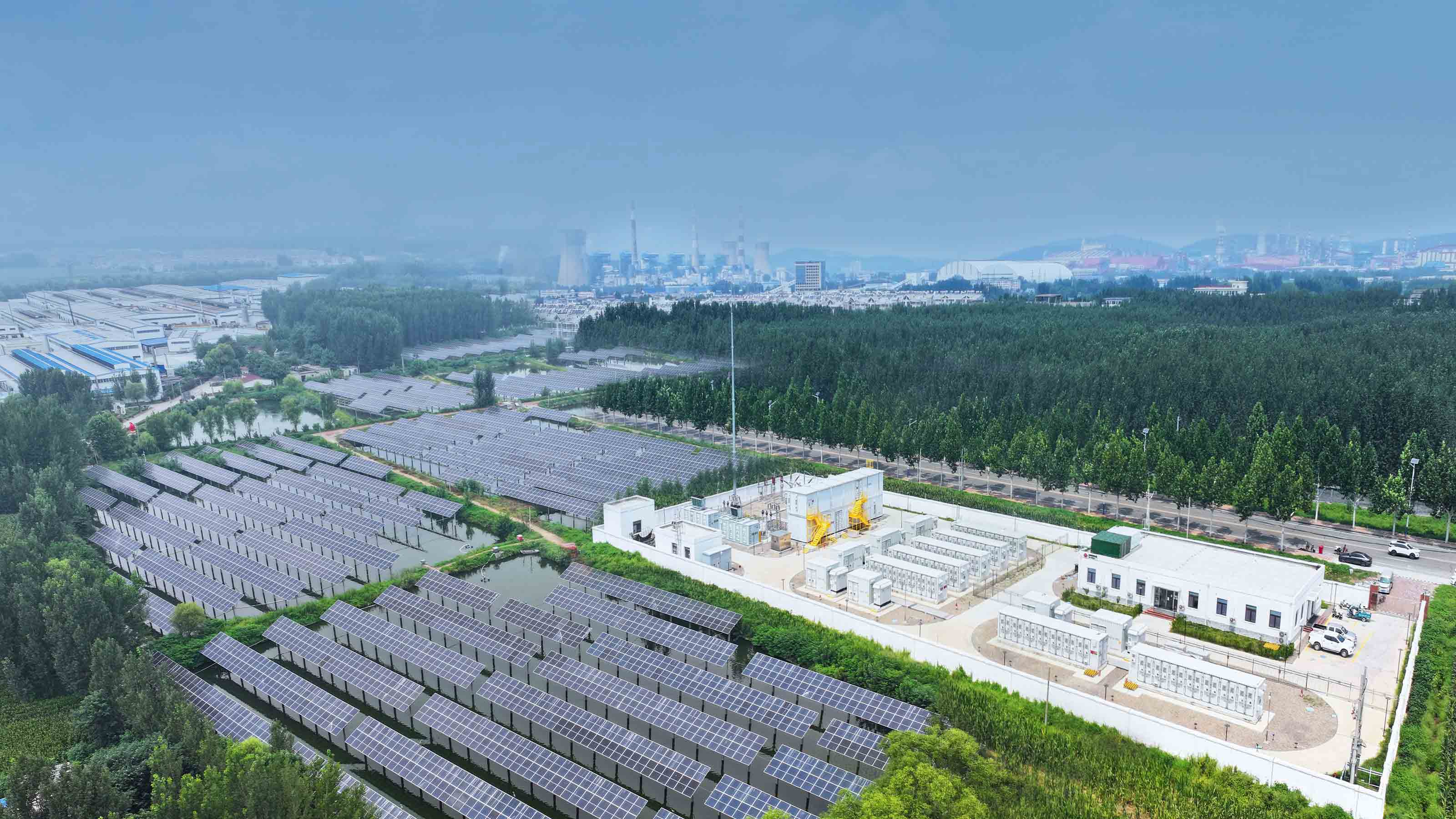
The agricultural and fishery PV complementary power station all uses Trinasolar 210mm Vertex series high-efficiency modules. The project was built in two phases, both equipped with Trina Storage Power Station, and the second phase project is equipped with Trina Storage Elementa series system. This project is a preferred and key project for the conversion of new and old kinetic energy in Shandong Province, covering an area of about 2,900 acres. It uses the existing subsidence land and builds various special greenhouses to build a new development model of “planting under the board and PV on the board”, creating an agricultural tourism complex of “PV + agriculture + fishery”, and turning the disadvantages of coal mining subsidence areas into ecological and environmental advantages.
Category Archives: Global Case
8.5kW Residential Rooftop Project
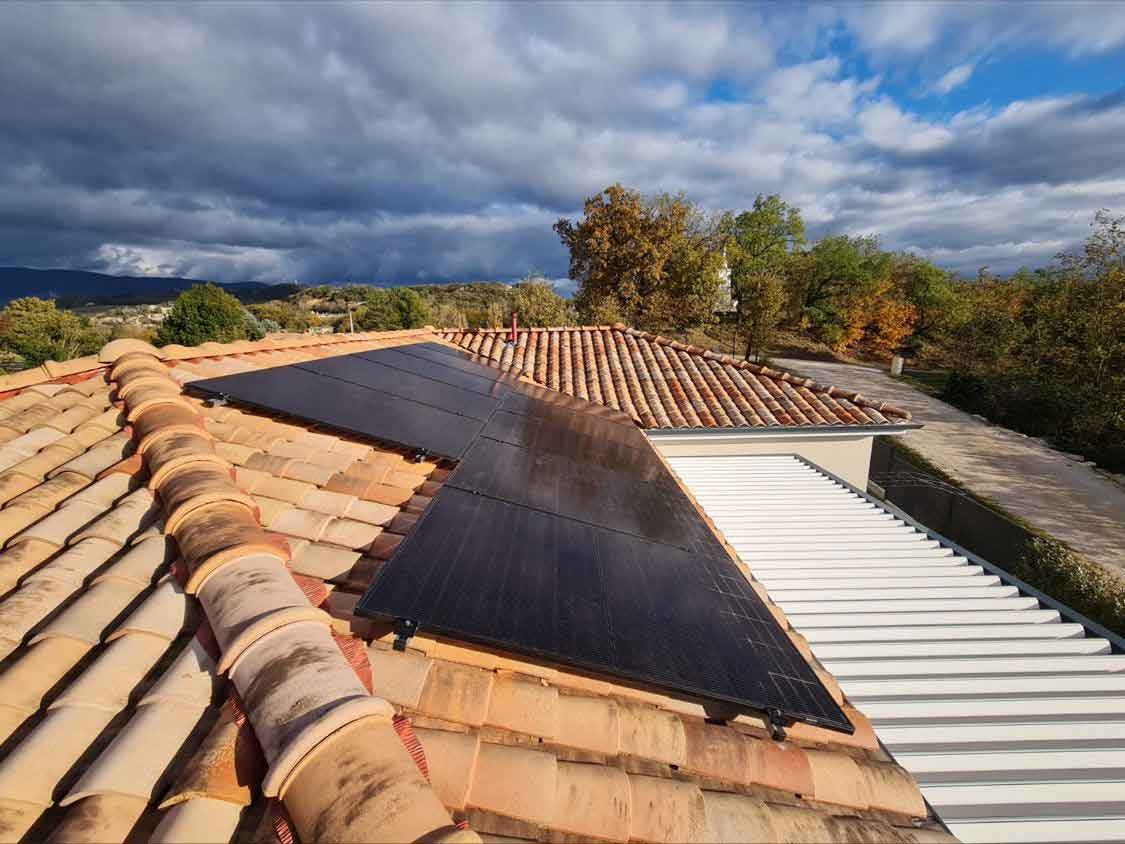
The total capacity of this project is 8.5 kW, and it fully utilizes Trinasolar’s Vertex S+ Clear Black modules. The successful implementation of the project not only enhances the local energy self-sufficiency but also adds a unique landscape to the town.
16kW Residential Rooftop Project
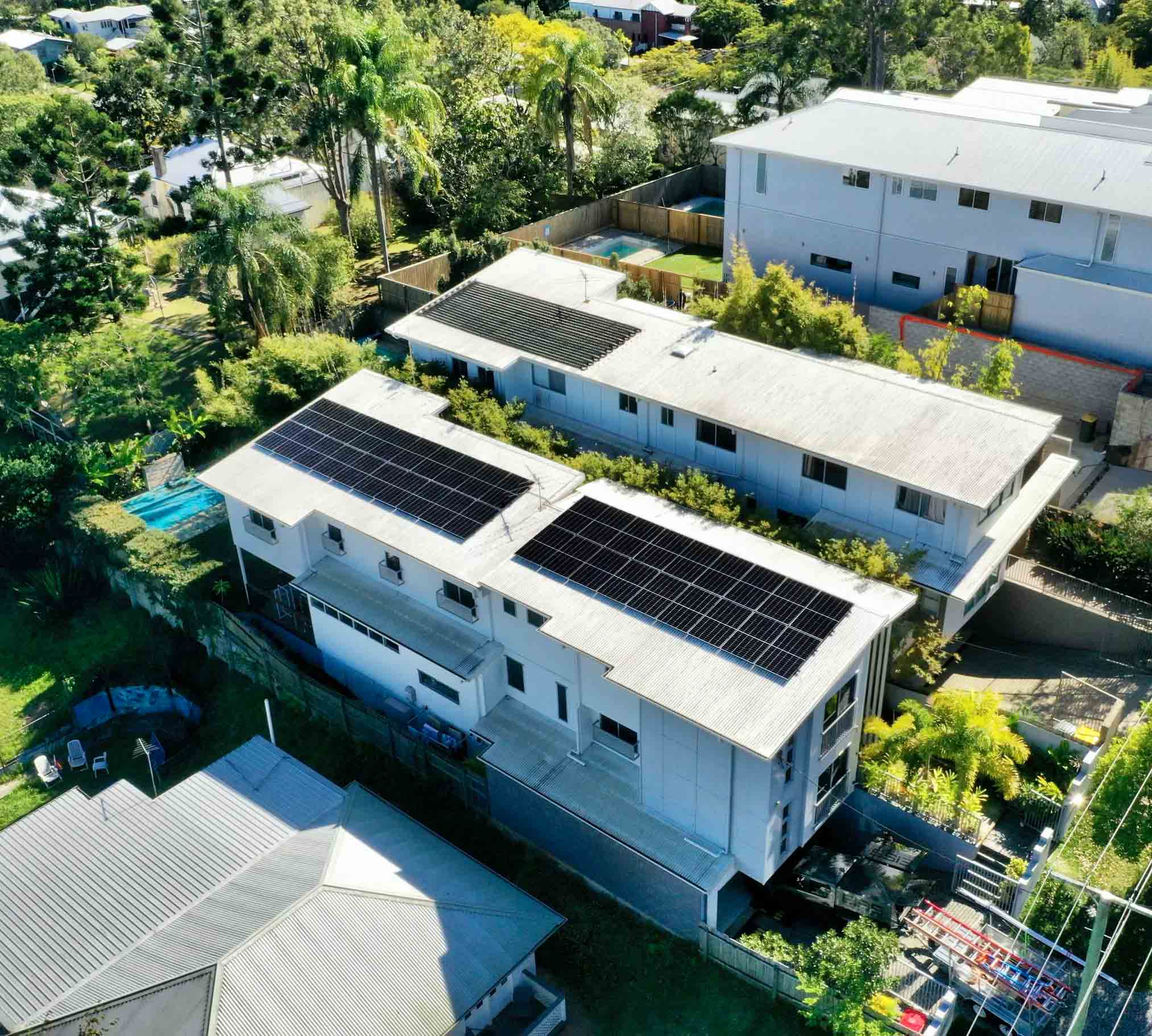
In a high-end community in Brisbane, the Vertex S+ modules are neatly arranged on the roof of the villa, perfectly blending with the blue sky, white clouds and the surrounding rainforest. The total installed capacity of this project is 16kW. The average annual power generation is about 21,731 kWh, and the average annual carbon emission reduction is 18.21 tons.
Brazil – Paraíba Santa Luzia Project
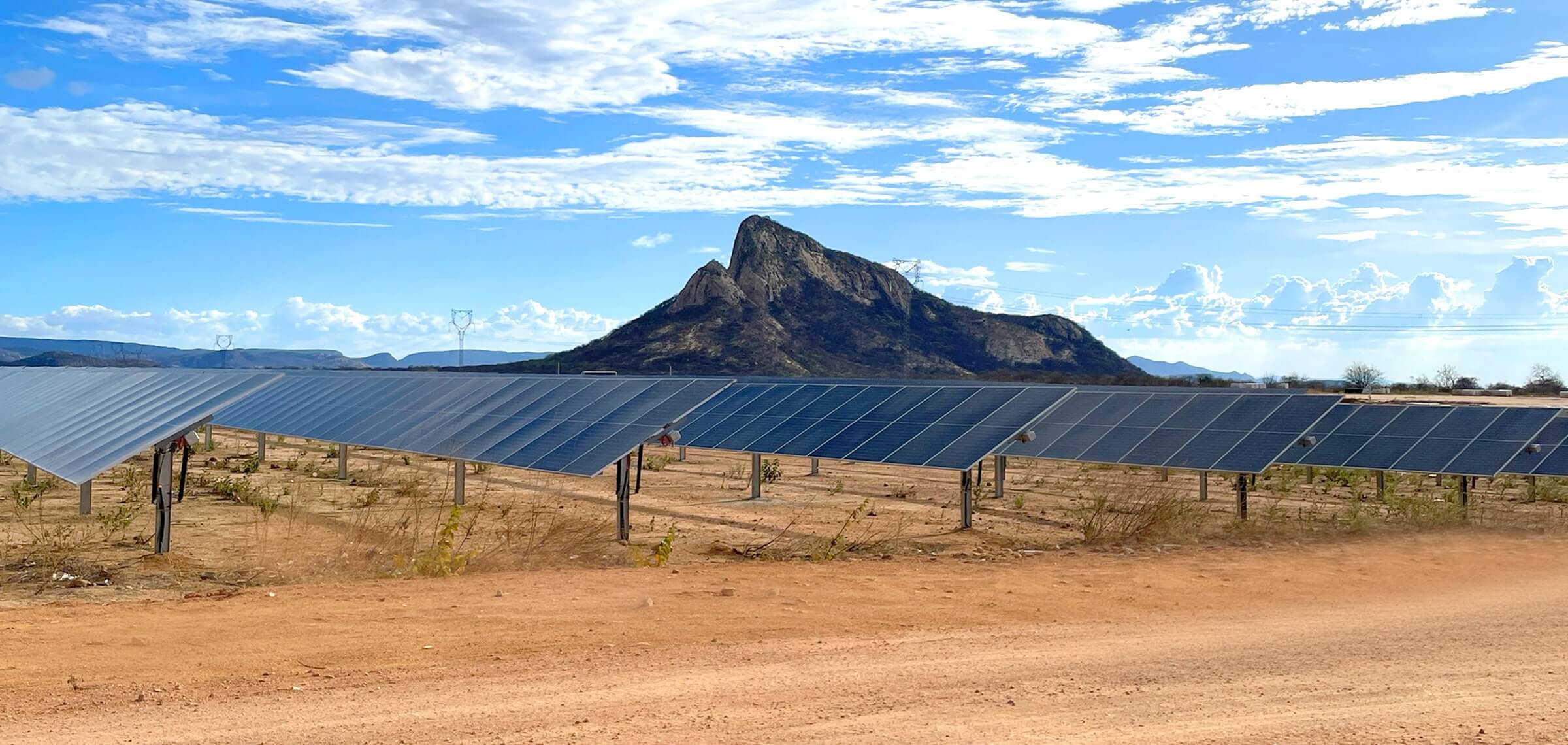
The Santa Luzia Complex is one of the largest solar projects in Brazil. Developed by Rio Alto Energias Renováveis and located in the state of Paraíba in northeastern Brazil, the complex comprises nine sub-projects – all utilizing Trinasolar trackers.
4 estaciones de almacenamiento de energía en Massachusetts, NA
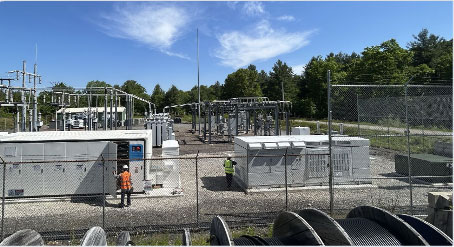
Este proyecto representa la primera flota implementada conjuntamente de sistemas de almacenamiento de energía en batería (BESS) en el estado, destacando el compromiso de Trina Storage con la resiliencia de la red y las soluciones energéticas sostenibles.
Proyecto estación de almacenamiento compartido Haixi Crook
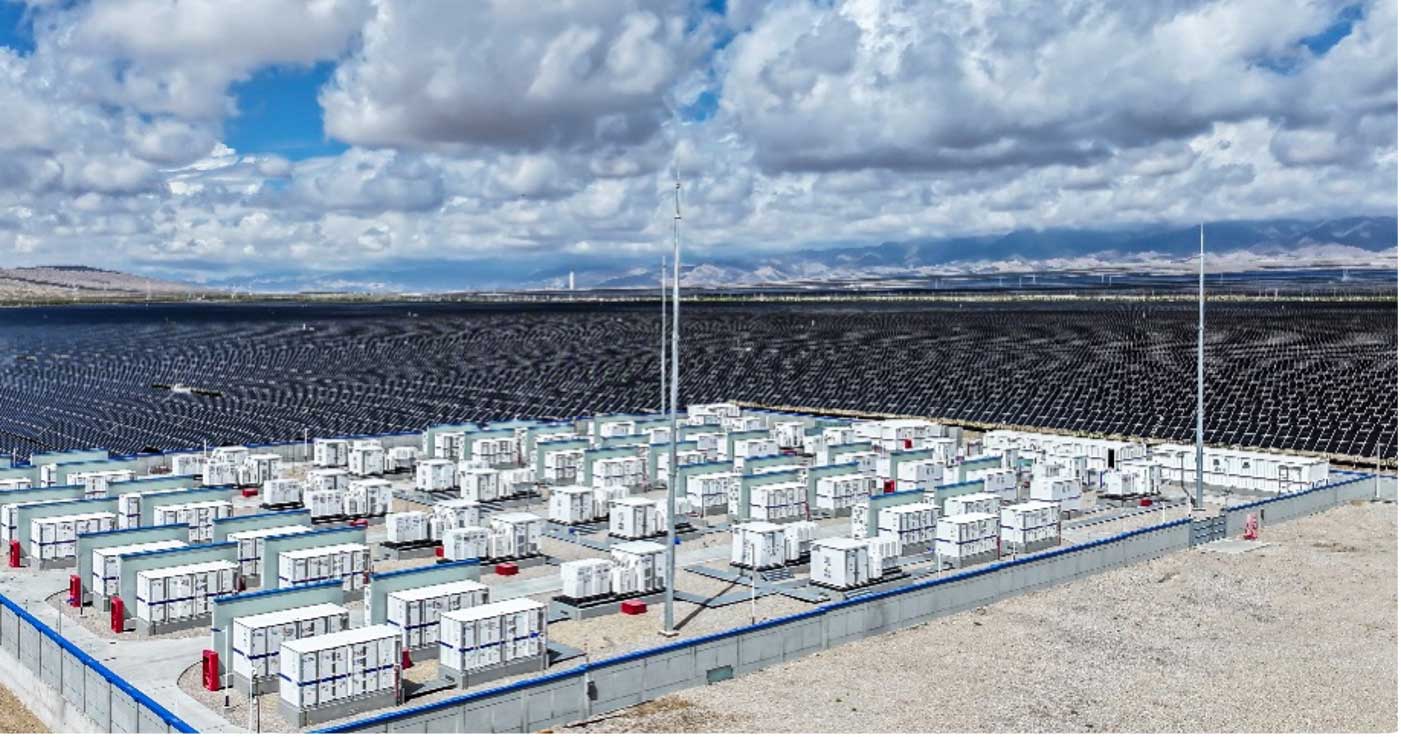
El proyecto utiliza 15 conjuntos de Elementa 2 – 0,25 P sistemas de almacenamiento de energía de larga duración, cada uno equipado con gabinetes de baterías flexibles de 2,5 MW/10 MWh con celdas Trina Storage de 314 Ah y una unidad integrada PCS-MV de 5 MW. Todo el proceso, incluida la entrega, infraestructura, puesta en marcha y conexión a la red, se completó en 45 días, demostrando nuevamente la “Trina Speed”
26.6kW C&I Project
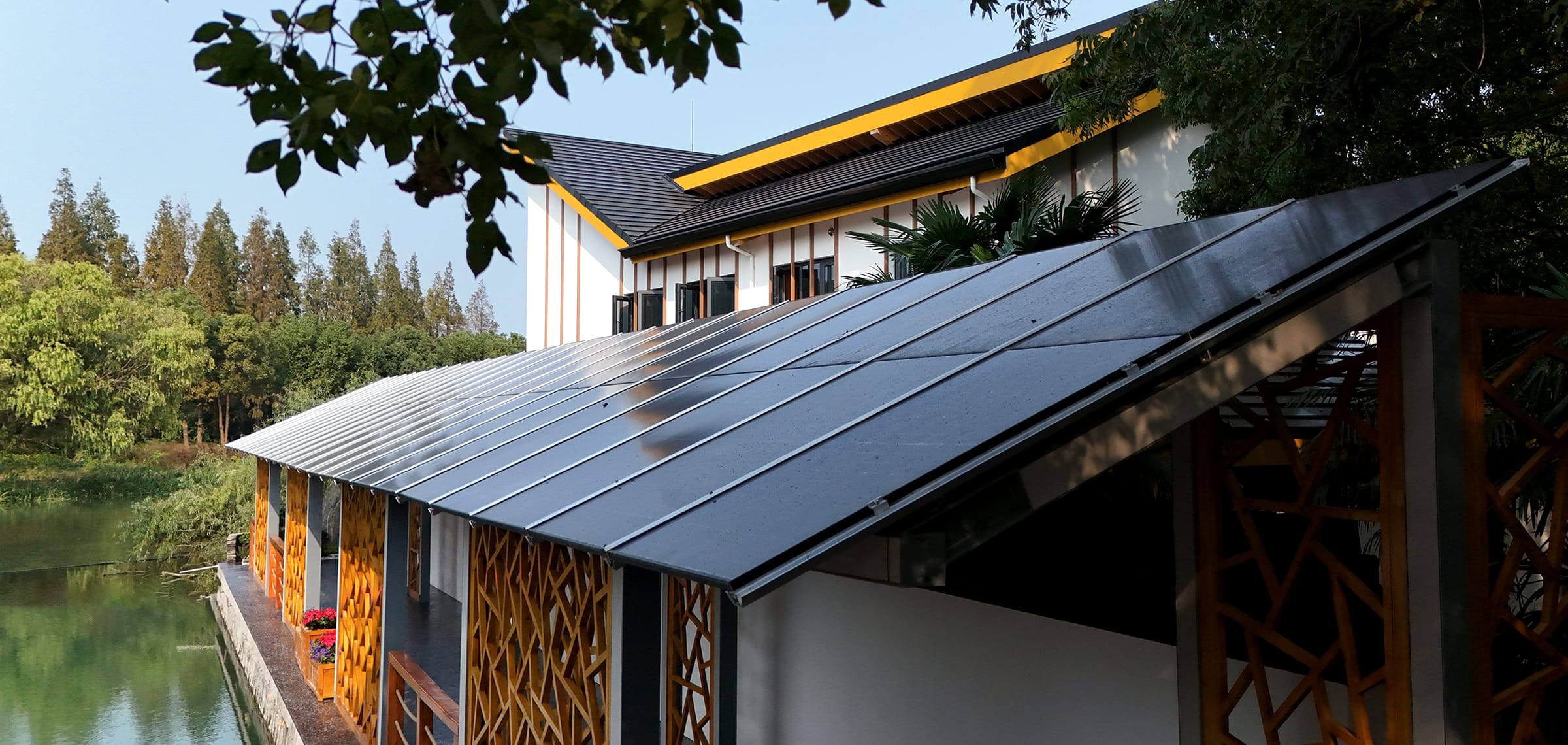
The construction of a demonstration photovoltaic power plant project with modules provided by Trinasolar has been completed at the Yangtze River Delta Institute for Sustainable Development in Shanghai. The plant, with total installed capacity of 26.6 kW, is forecast to generate power of 26,853 kWh and reduce CO₂ emissions by 22.5 tons a year.
500kW C&I project in Japan
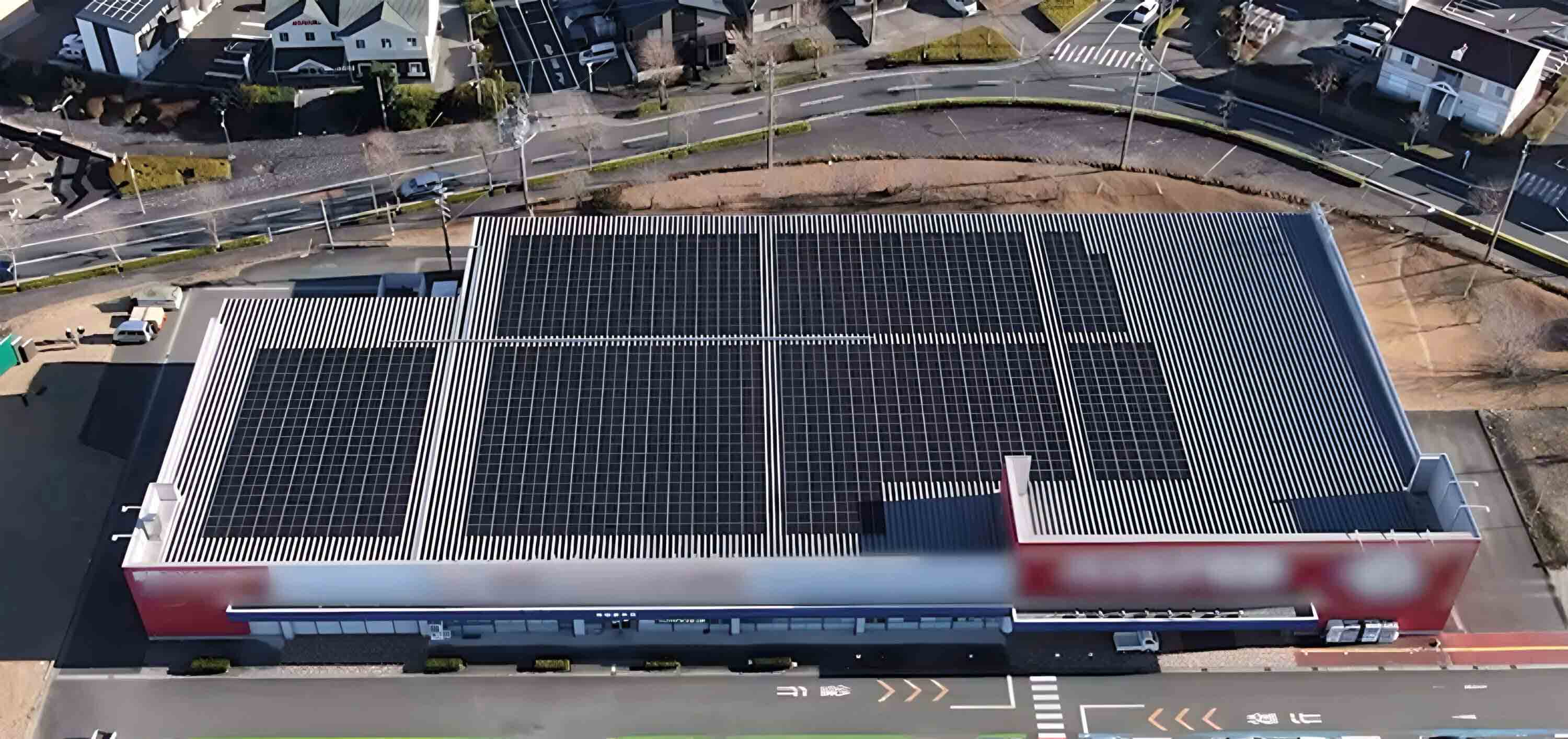
The total capacity of this project is 500kW, all using Trinasolar Vertex S+ 510W modules, with an annual power generation of about 600,000 kWh. The successful implementation of the project not only helps enterprises save energy and reduce carbon emissions, but also becomes an ideal choice for promoting C&I and public facilities to move towards carbon reduction goals.
5.6MW C&I PV Power Plant Project
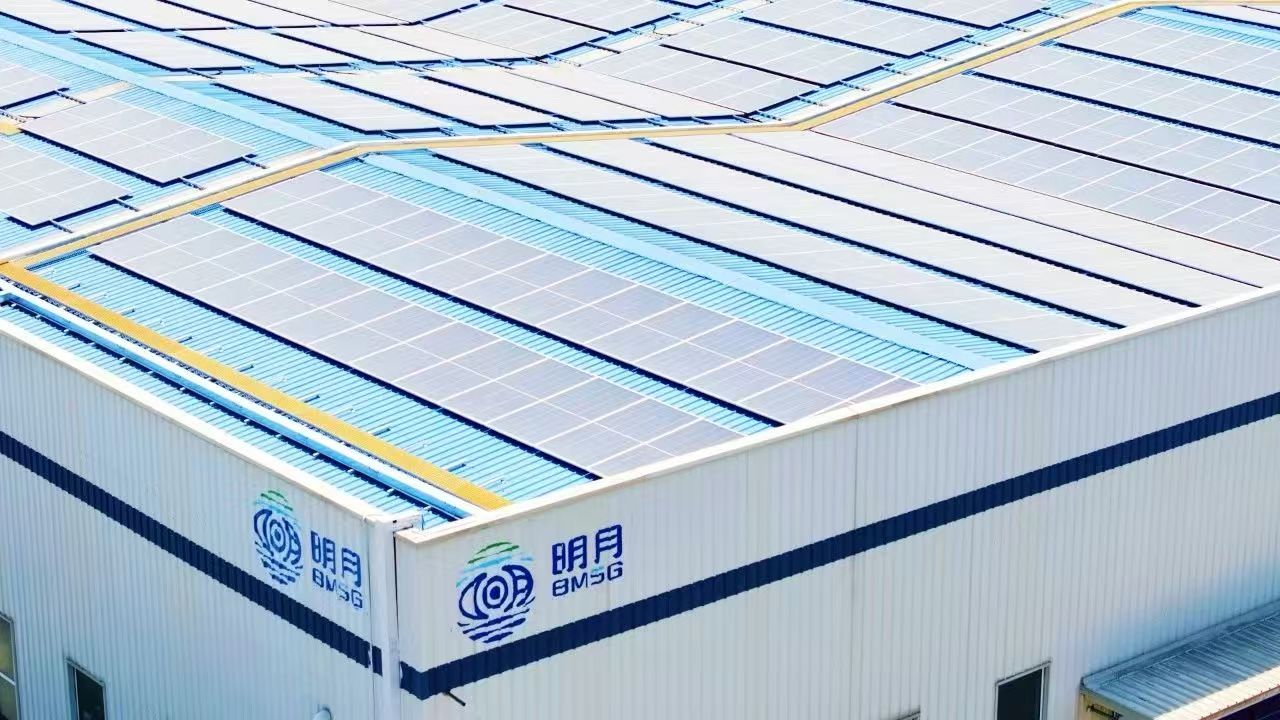
Trinasolar has partnered with Bright Moon Seaweed Group and Kyushu Huide to build a 5.6MW C&I photovoltaic rooftop power plant. After the project is connected to the grid, it will reduce emissions of about 3,600 tons of carbon dioxide, 9 tons of nitrogen oxides and 3 tons of sulfur dioxide every year, which is equivalent to planting millions of trees.
Spain – Córdoba Campiña Project
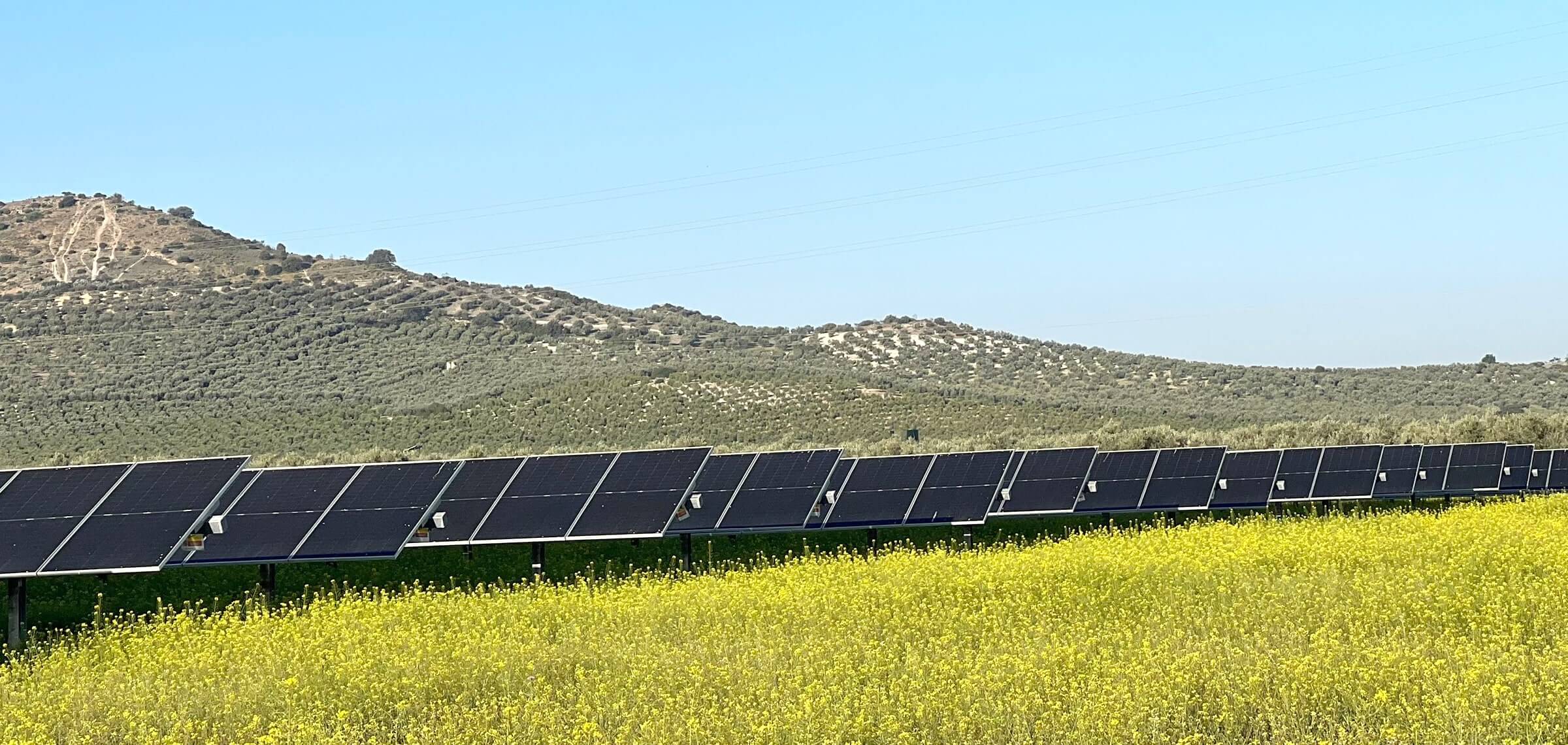
The Campiña project, located in Córdoba, Spain, has an installed capacity of 11.32MW. The power station comprises 186 Vanguard-1P trackers and 21,180 bifacial modules. The entire station is integrated with the Smart Cloud platform, with 62 trackers equipped with the SuperTrack algorithm. Commissioned in September 2022, the project is capable of supplying electricity to 7,500 households and reduces carbon dioxide emissions by 4,500 tons annually.