On the roof of a local villa on the Gold Coast, the Vertex S+ modules are laying in the milky white roof in a patchwork pattern, basking in the sun. The total installed capacity of this project is 10.75kW, with an average annual power generation of 15,209 kWh, reducing 12.75 tons of carbon dioxide emissions.
Author Archives: Helen
150MW Agriculture, Fishery, PV and Storage Integration Project
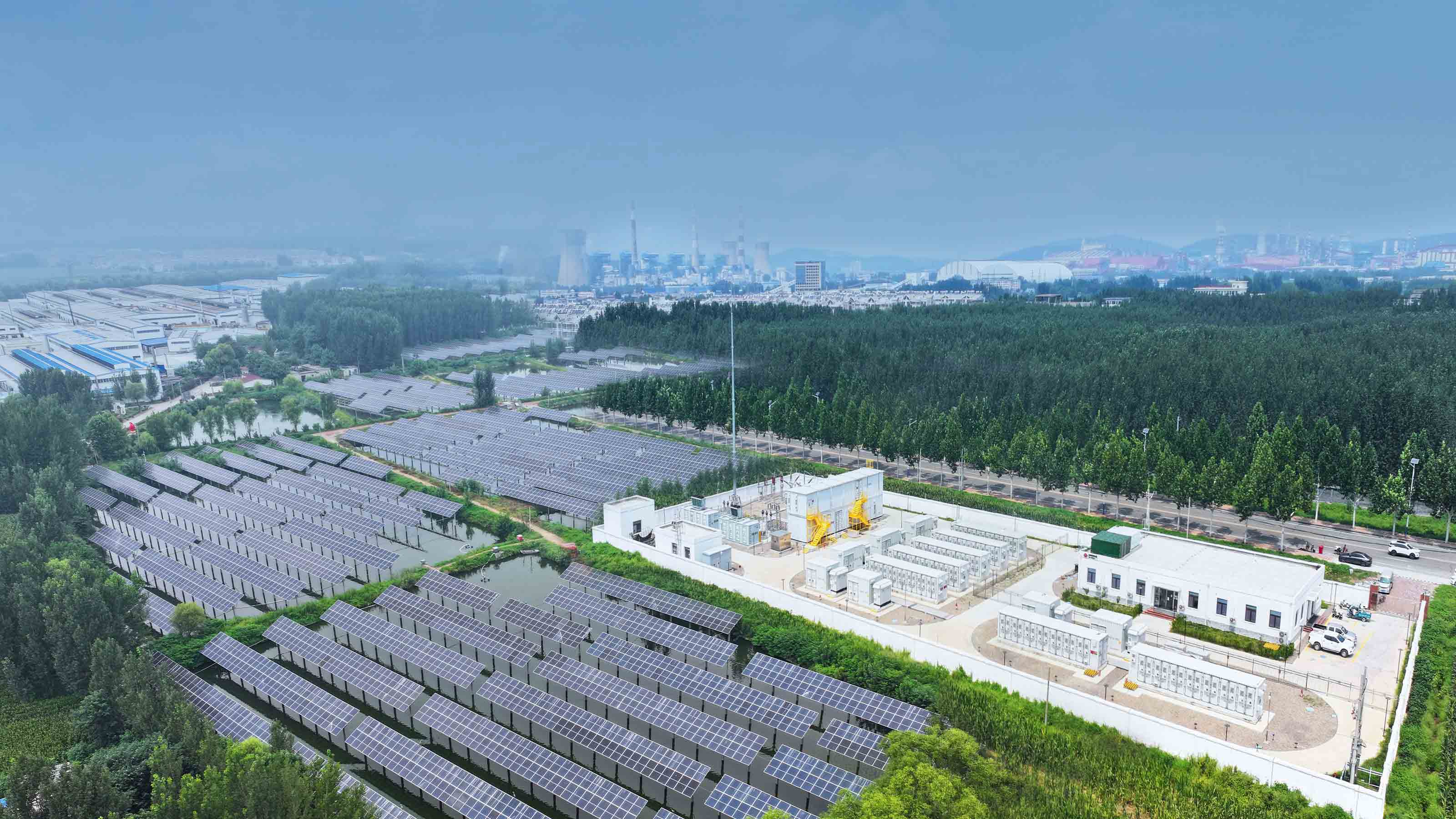
The agricultural and fishery PV complementary power station all uses Trinasolar 210mm Vertex series high-efficiency modules. The project was built in two phases, both equipped with Trina Storage Power Station, and the second phase project is equipped with Trina Storage Elementa series system. This project is a preferred and key project for the conversion of new and old kinetic energy in Shandong Province, covering an area of about 2,900 acres. It uses the existing subsidence land and builds various special greenhouses to build a new development model of “planting under the board and PV on the board”, creating an agricultural tourism complex of “PV + agriculture + fishery”, and turning the disadvantages of coal mining subsidence areas into ecological and environmental advantages.
8.5kW Residential Rooftop Project

The total capacity of this project is 8.5 kW, and it fully utilizes Trinasolar’s Vertex S+ Clear Black modules. The successful implementation of the project not only enhances the local energy self-sufficiency but also adds a unique landscape to the town.
16kW Residential Rooftop Project
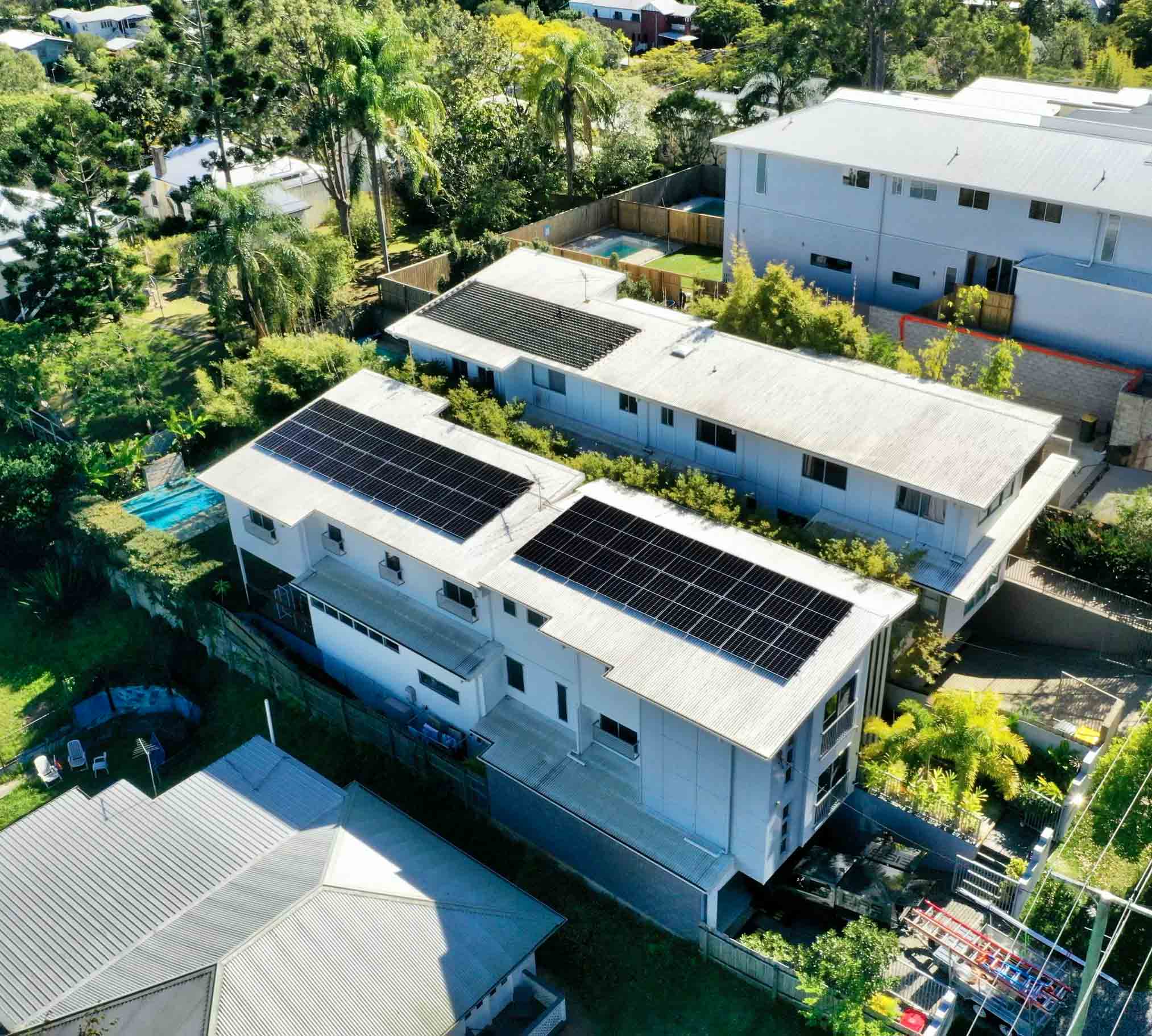
In a high-end community in Brisbane, the Vertex S+ modules are neatly arranged on the roof of the villa, perfectly blending with the blue sky, white clouds and the surrounding rainforest. The total installed capacity of this project is 16kW. The average annual power generation is about 21,731 kWh, and the average annual carbon emission reduction is 18.21 tons.
Brazil – Paraíba Santa Luzia Project
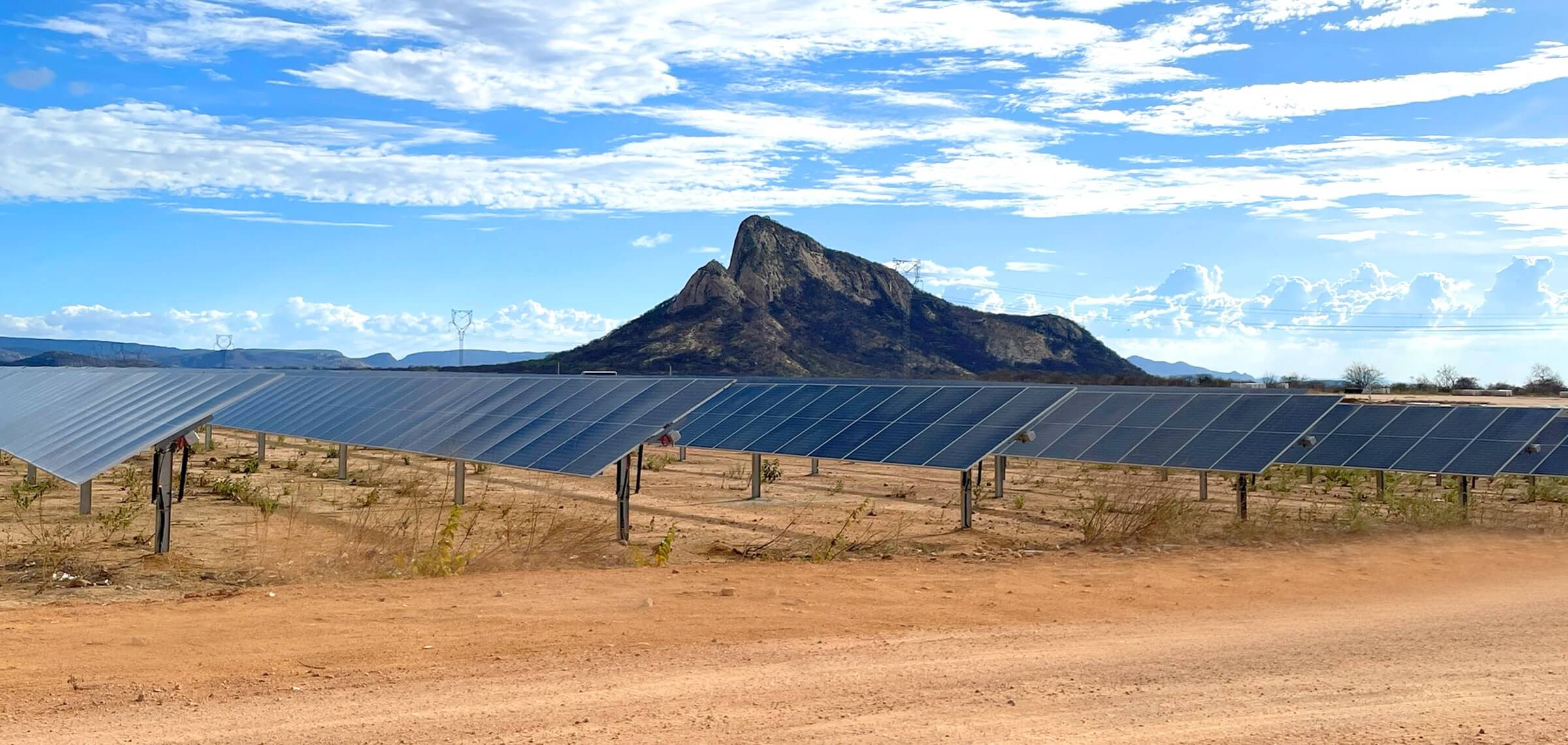
The Santa Luzia Complex is one of the largest solar projects in Brazil. Developed by Rio Alto Energias Renováveis and located in the state of Paraíba in northeastern Brazil, the complex comprises nine sub-projects – all utilizing Trinasolar trackers.
Spain – Huelva Valcasado Project
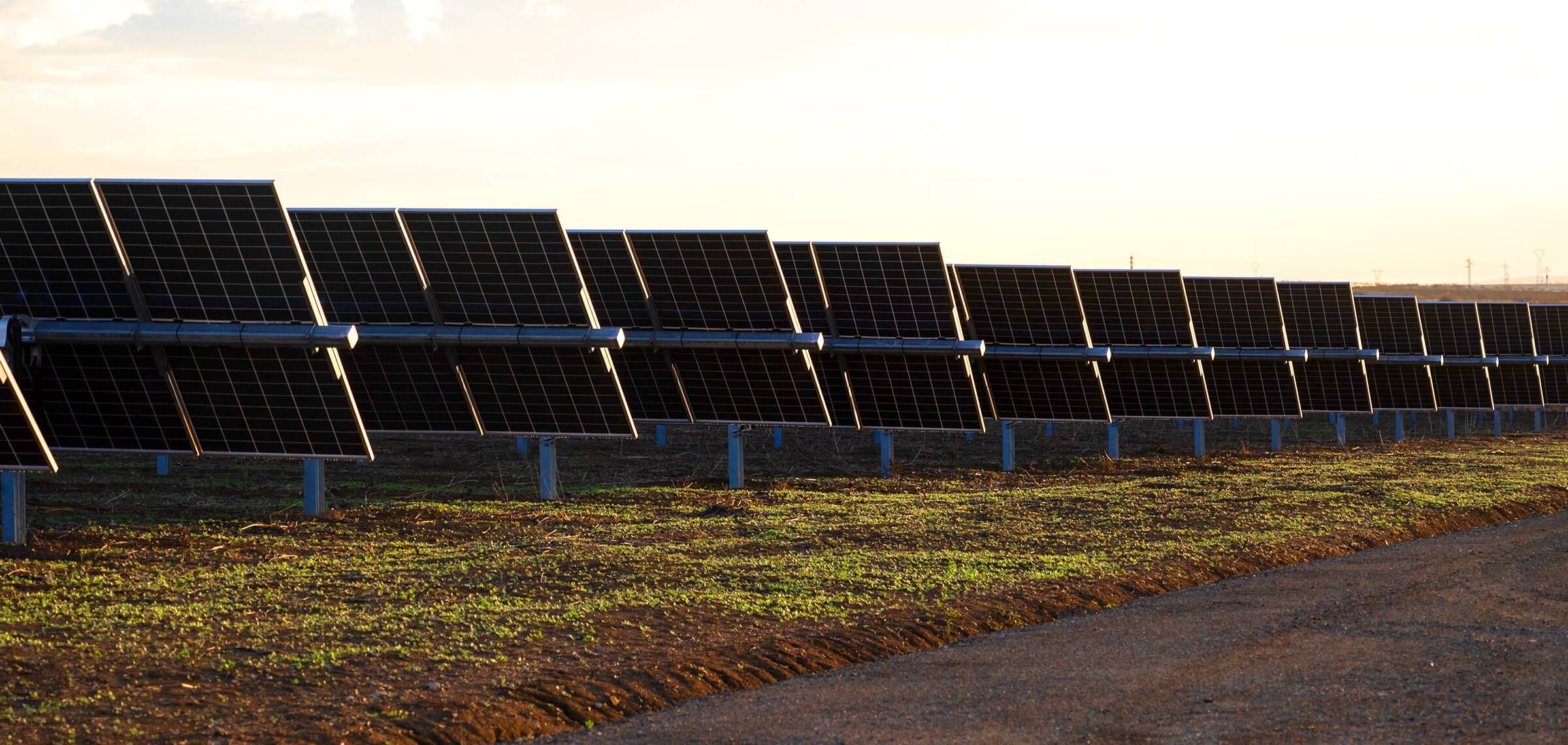
Developed by Elmy EPC, the Valcasado project has an installed capacity of up to 22MWp. The project employs advanced solar technology with a configuration that includes 33,600 modules, 580 trackers, and 6,016 piles – all optimized design to enhance energy efficiency.
Uzbekistan – Navoi Project
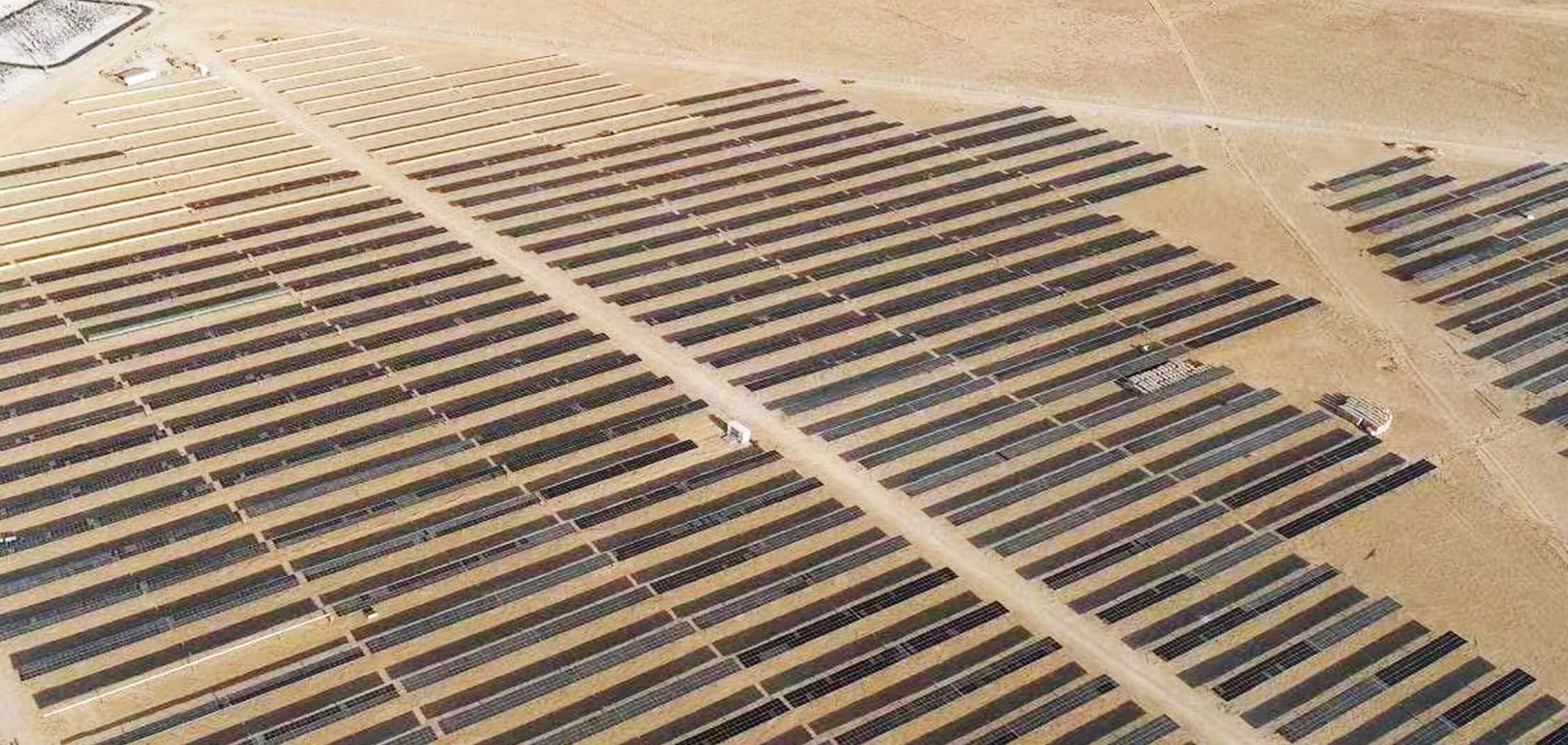
The Navoi project is the first IPP power project under the Uzbek government’s new energy plan. Trinasolar provided 2,618 sets of Vanguard-2P trackers, marking the first and largest deployment in Central Asia of a new tracker system specifically designed for ultra-high power modules.
New Zealand – Kaitāia Kohirā Project
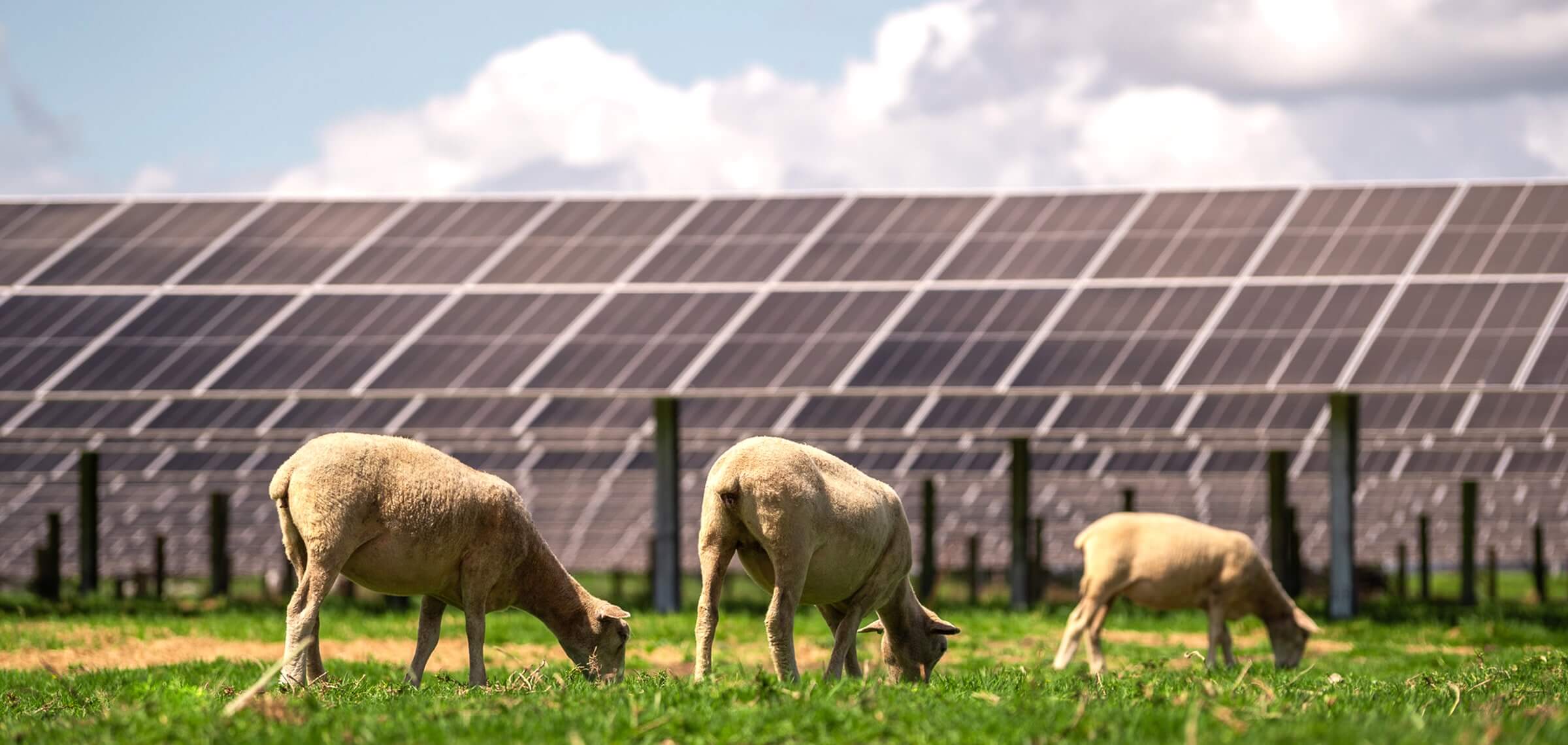
Located near Kaitāia in northern New Zealand, the Kohirā solar farm covers approximately 64 hectares and has a capacity of about 33MW. It is equipped with 61,000 units of Trinasolar’s signature 210mm Vertex modules, paired with TrinaTracker’s Vanguard‑2P trackers, marking a milestone in empowering local green development through integrated module and tracker solutions.
China – Hebei Nangong Project
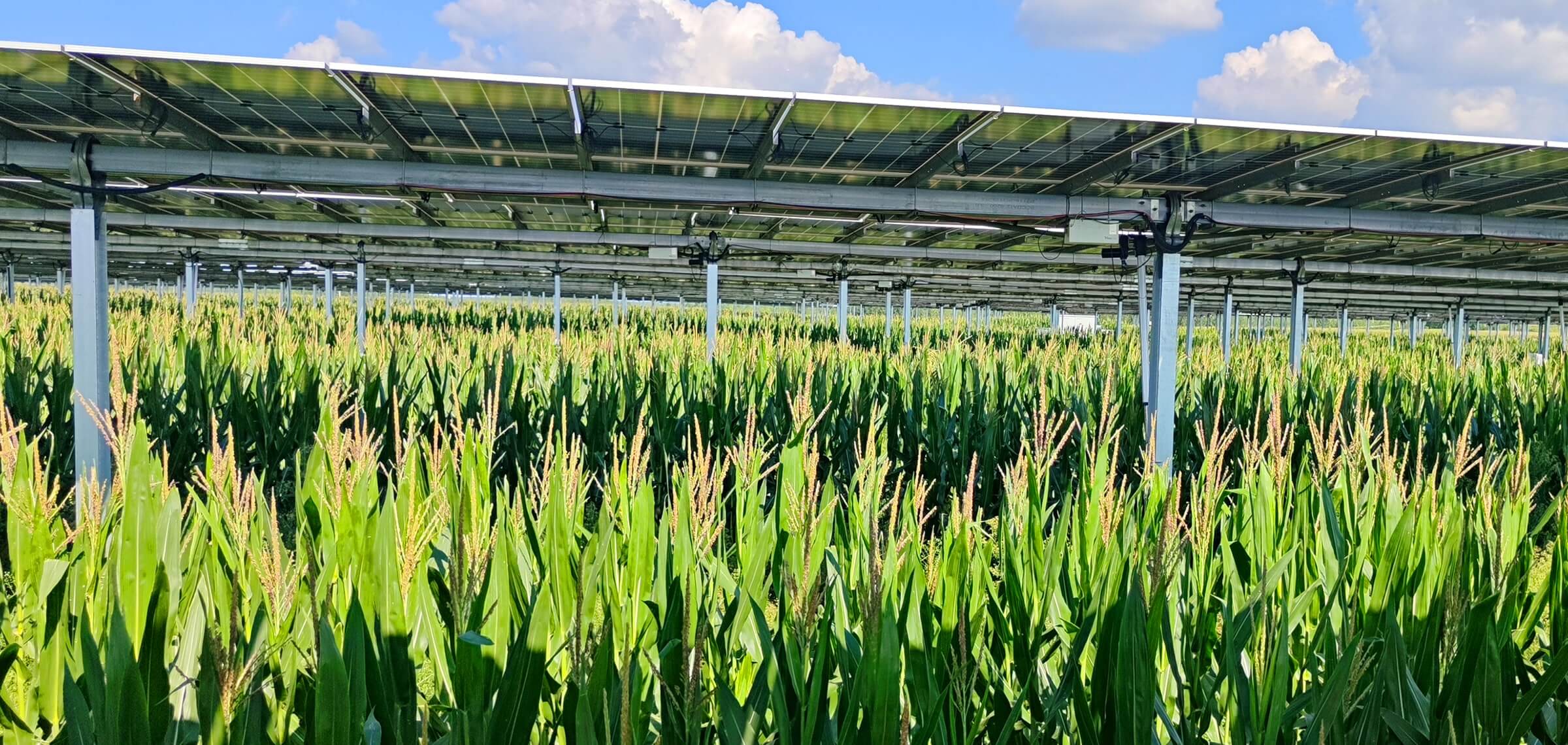
The Nangong City Guoshun 400MW agrivoltaic farming project features Trinasolar’s 210mm Vertex modules and Vanguard-2P trackers. Successfully connected to the grid on December 30, 2020, this project serves as further validation of Trinasolar’s position as the industry’s only provider of a fully integrated solution combining modules and trackers.
China – Shandong Renquan Project
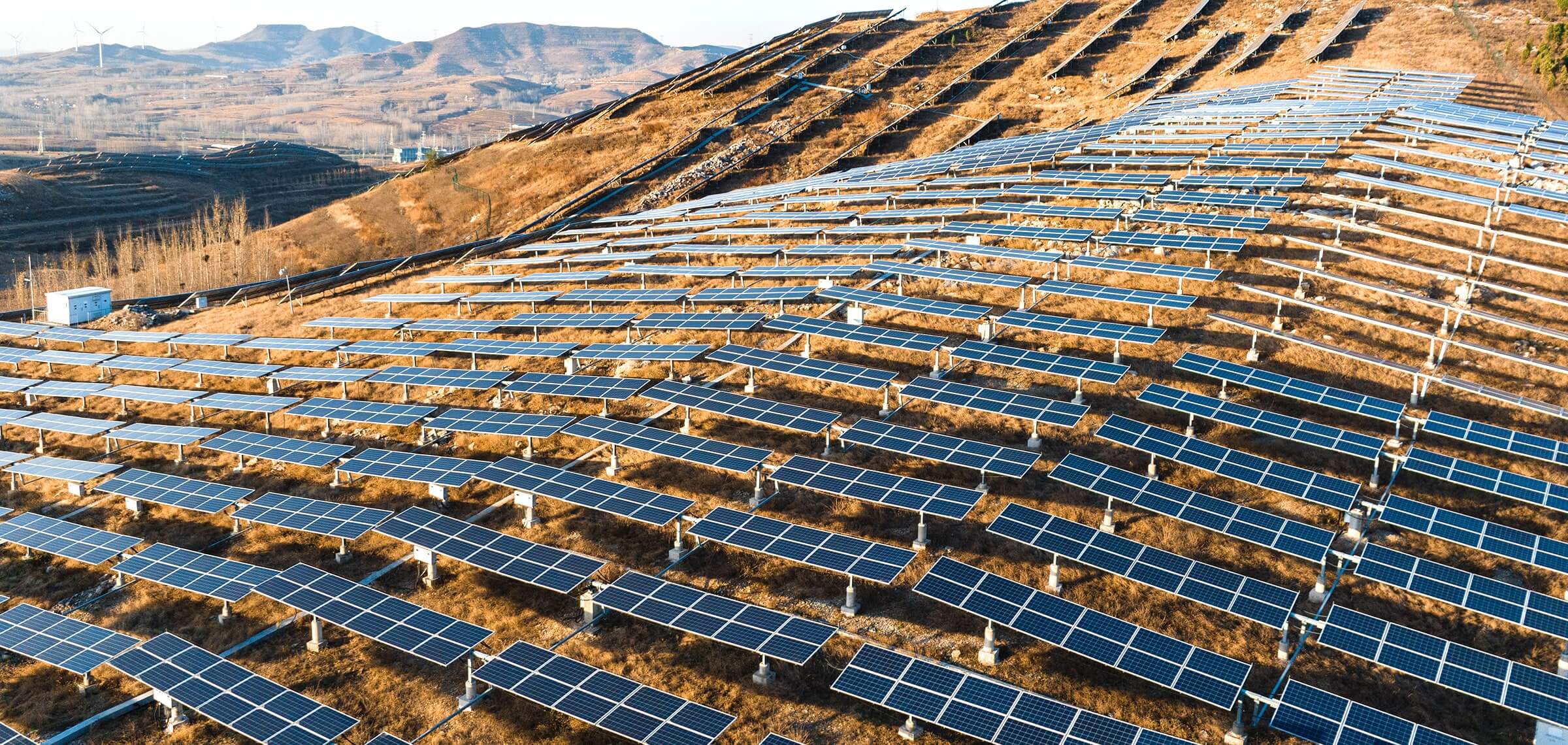
To address the challenges faced by this power station, TrinaTracker implemented its self-developed intelligent control system as a pilot project in August 2023. This solution integrates the smart control system, Trina Smart Cloud platform, and the SuperTrack smart algorithm, achieving seamless integration of hardware and software. With its advantages of “high reliability, high performance, and high efficiency,” the solution leverages intelligent and digital technologies to enhance power generation efficiency and optimize the operation and maintenance of aging power stations.