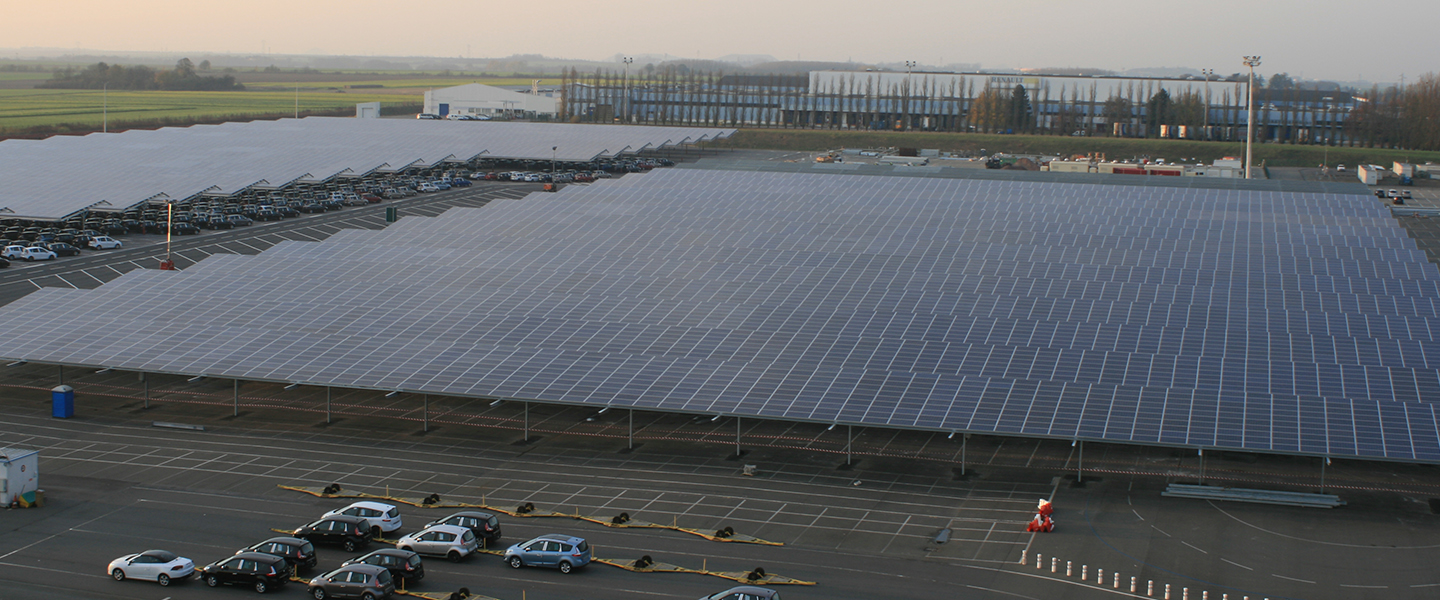
The Renault Project is the largest one ever constructed in the world for the automobile industry, with 400,000 square metres of Trina Solar solar panels, equivalent in area to 60 football pitches. 225,350 modules have been installed in all.
Category Archives: Global Case
Cadland Estate Solar farm
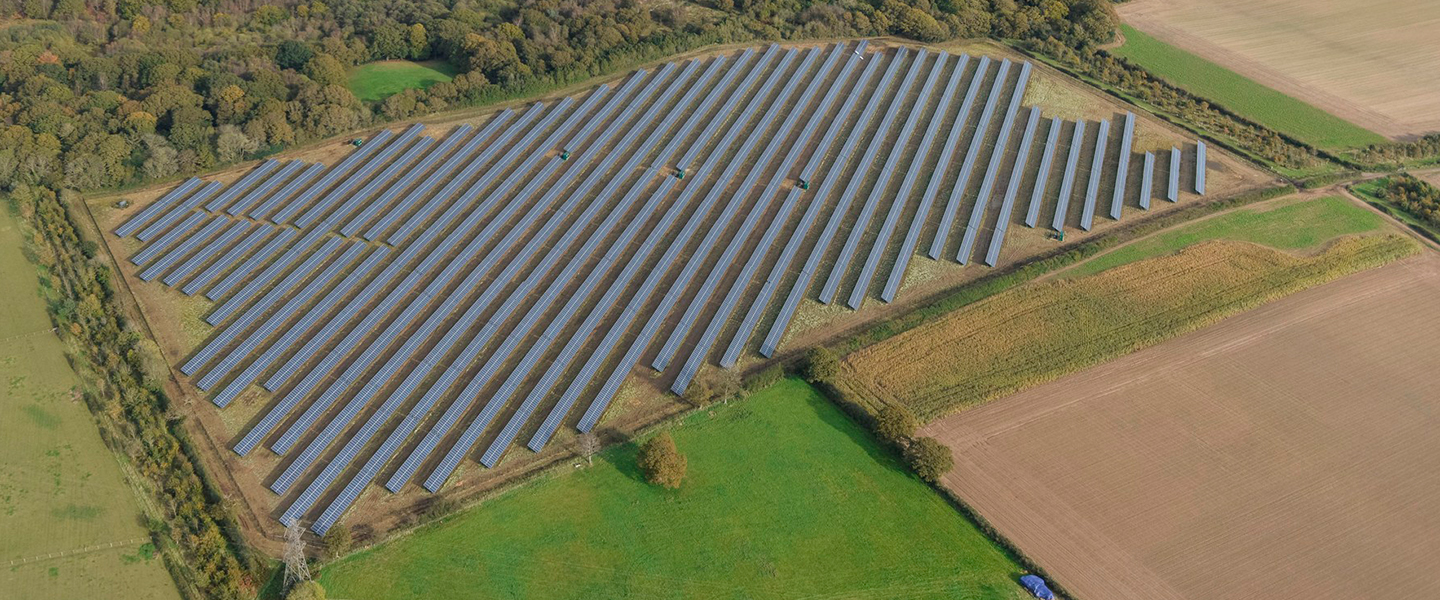
Providing solar power to Cadland Estate, its main enterprise being crop and livestock farming, was influenced by the need to promote sustainability, and to give aesthetic consideration to its status as a National Nature Reserve. Reducing emissions and encouraging sustainability in terms of energy consumption by solar power brought with it the added advantages of generating long term revenue for the Estate through the Feed-in Tariff, and providing employment.
Delta Ravano
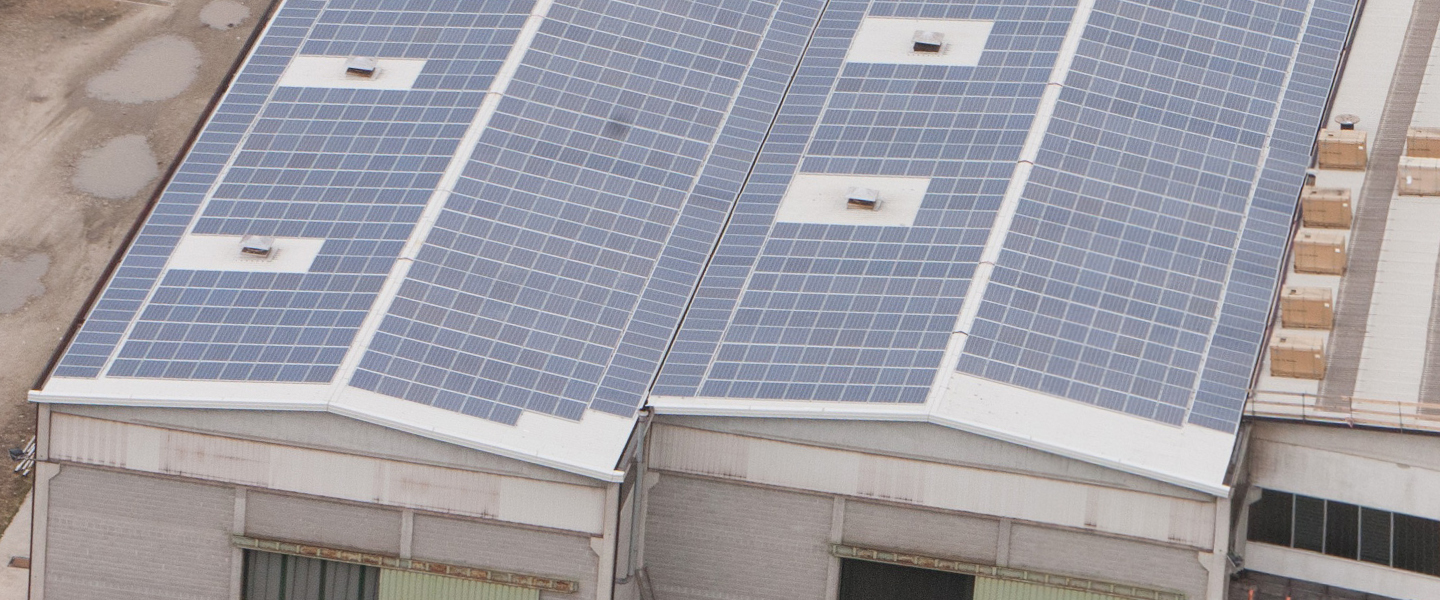
The Delta Ravano system, realized by Ravano Green Power in Cuneo, consists of the installation of panels on the four pitches of a warehouse rooftop giving an installed power of 1 MW.
Greece Tanagra
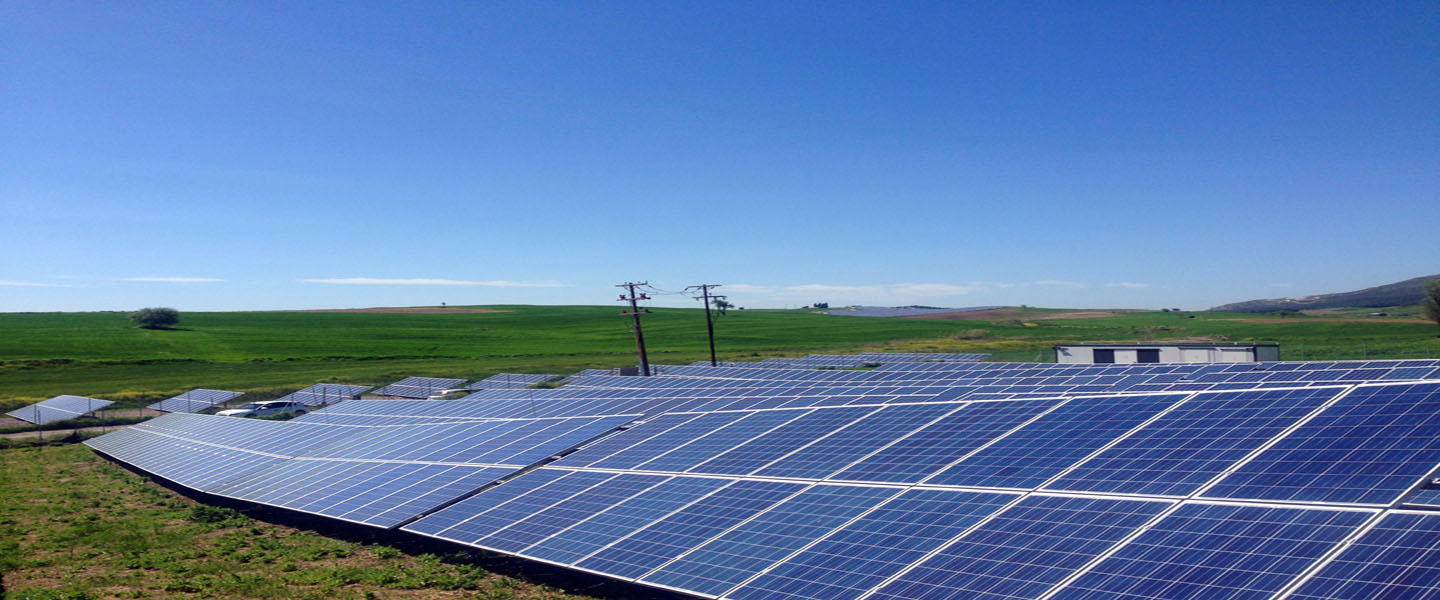
Greece is a project where Trina is acting as IPP since July 2013.The Project consist of 22 PV Plants located in Greece mainland, northern of Athens. Trina SBU has successfully finalized the development, managed the last phase of the construction through different EPC Contractors, and applied for the Feed in Tariff mechanism operated the Plants for almost 3 year. The project started development in 2011, construction in 2012 and connected in 2012.
West Raynham UK
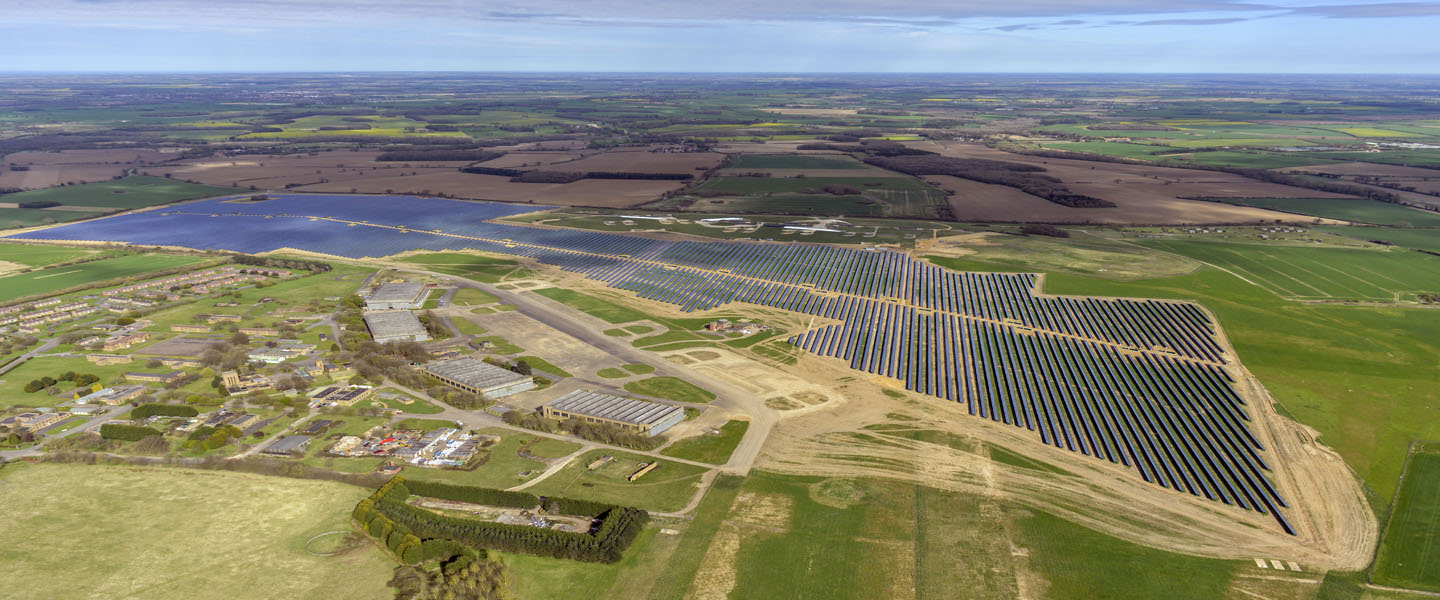
The PV Plant, built in the former Royal Air Force West Raynham Airbase, has a capacity of approximately 50 MWp, representing the biggest PV plant operational in UK at the date of completion. The 49.99 MW solar power plant using Trina Solar’s 196,627 modules commenced construction in the third quarter of 2014 and was connected to the grid in the first quarter of 2015. It is entitled to receive 1.4 Renewables Obligation Certificates (ROCs) per megawatt-hour (MWh). As built, the project can supply clean energy to up to 14,000 UK homes per year.
Bayerische Staatskanzlei (Bavarian State Chancellery)
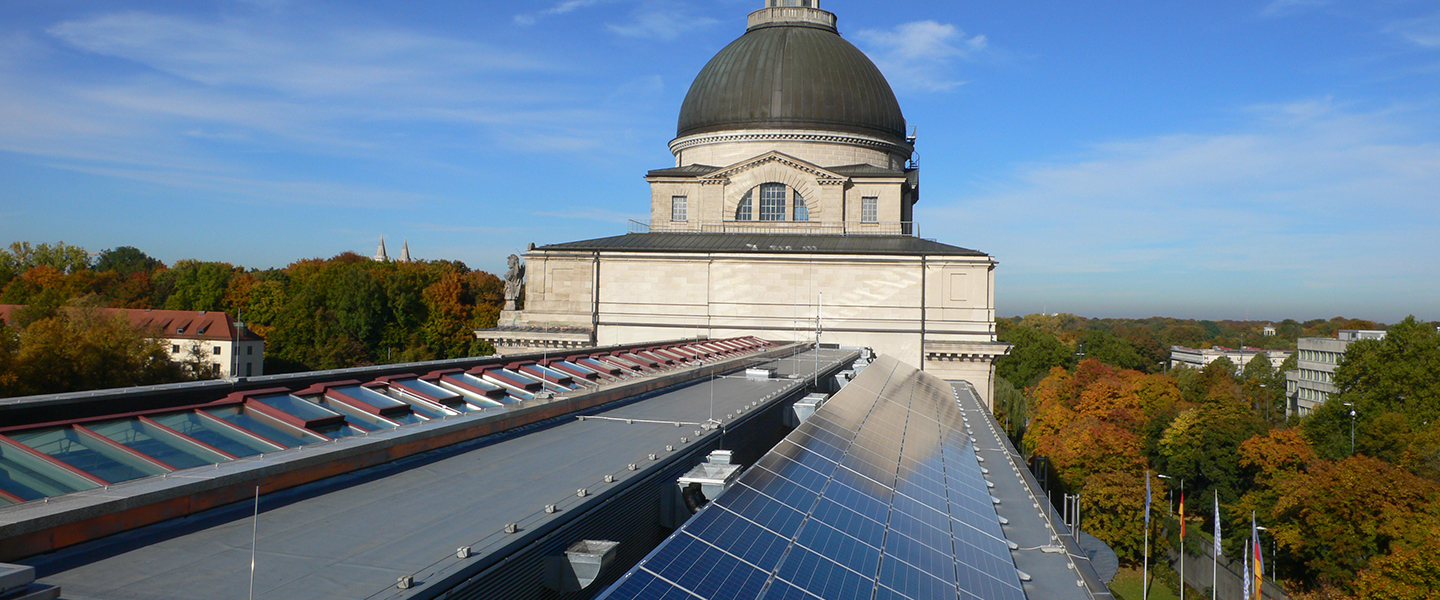
The solar power (PV) system erected in November 2012 on the roof of the Bavarian State Chancellery proves that modern solar systems can also be profitably operated on listed buildings.
Retirement Home
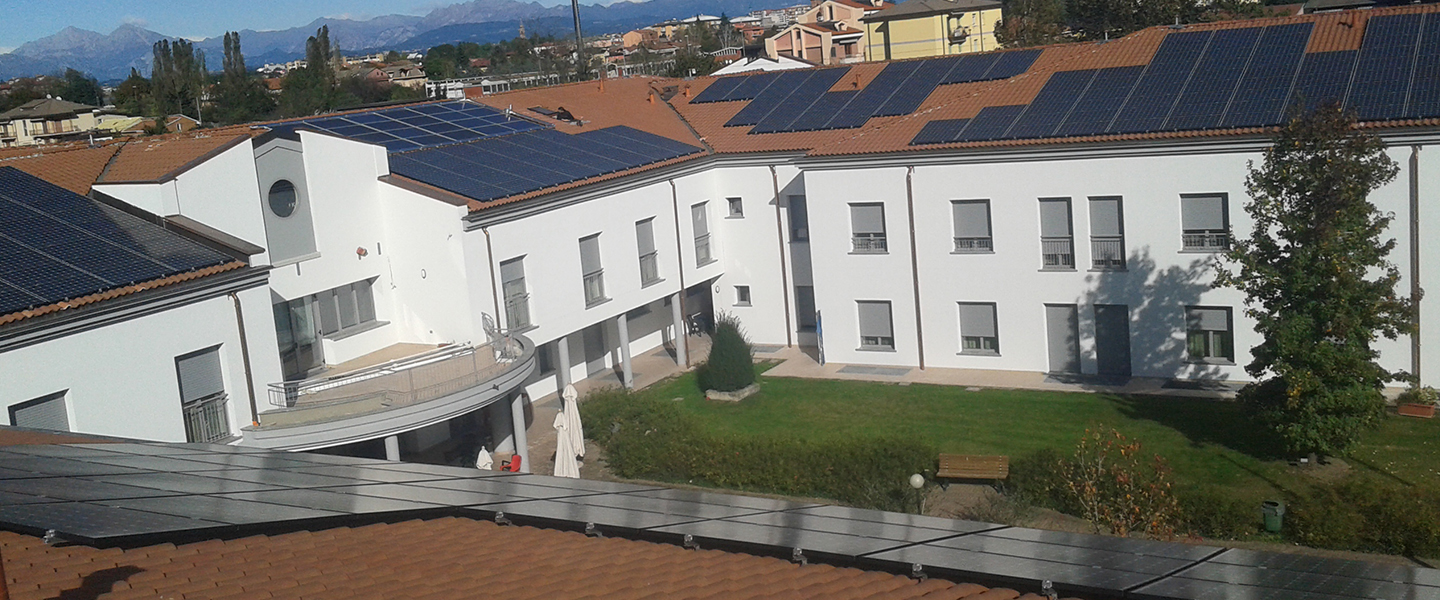
MP Next, having much experience in the design of systems for both residential and industrial projects, is able to produce systems which successfully integrate the use of renewable sources and the necessary compliance with building regulations. In this project, a retirement home in Muggió, located North of Milan, the aim was to provide a rooftop PV system whilst bearing in mind the complex building and fire safety requirements, these being particularly important in a residential home for elderly people.
Homeland Solar Farm
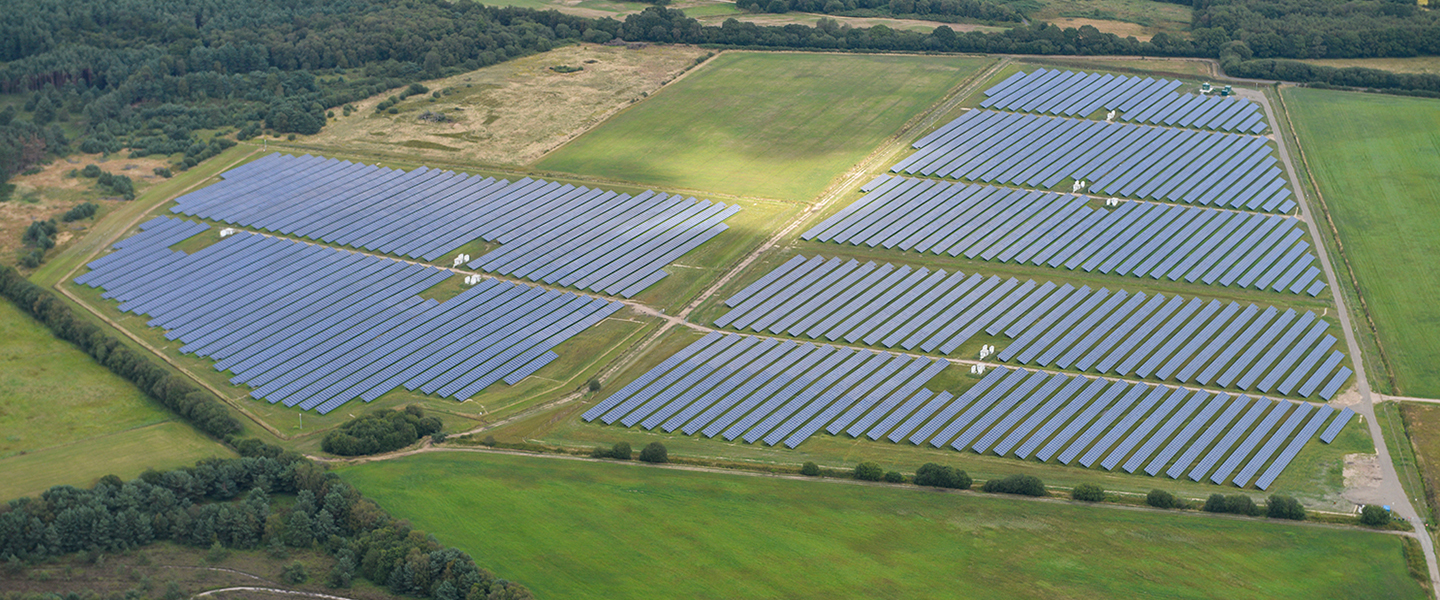
The decision to build a large solar farm in Three Legged Cross was heavily influenced by Dorset having more sunshine than most other UK locations. This Grade 4 agricultural land, with a soil base of sand and gravel, was an ideal situation for a solar project. With Good Energy’s proposal to the Council having been approved in October 2013, Trina Solar purchased, completed, and maintained the project and has now sold it. Construction began in December 2013 with connection to the grid taking place in March 2014. Being thoroughly committed to encouraging biodiversity, Trina Solar worked with the farm’s owners and the local community to ensure that the landscape and wildlife habitats were protected during construction and, through Toolbox Talks, ensured that adverse effects to, and offences against protected species were avoided. The project’s 52,000 multicrystalline panels provide enough clean solar electricity to power 4,300 local homes for 25 years. The polycrystalline Honey module performs well in cloudy conditions and delivers an excellent efficiency of 15.9% with a maximum power output of 265W. It exceeds the standard requirements for snow and wind loads and is ideal for all rooftop installations.
Les Mées
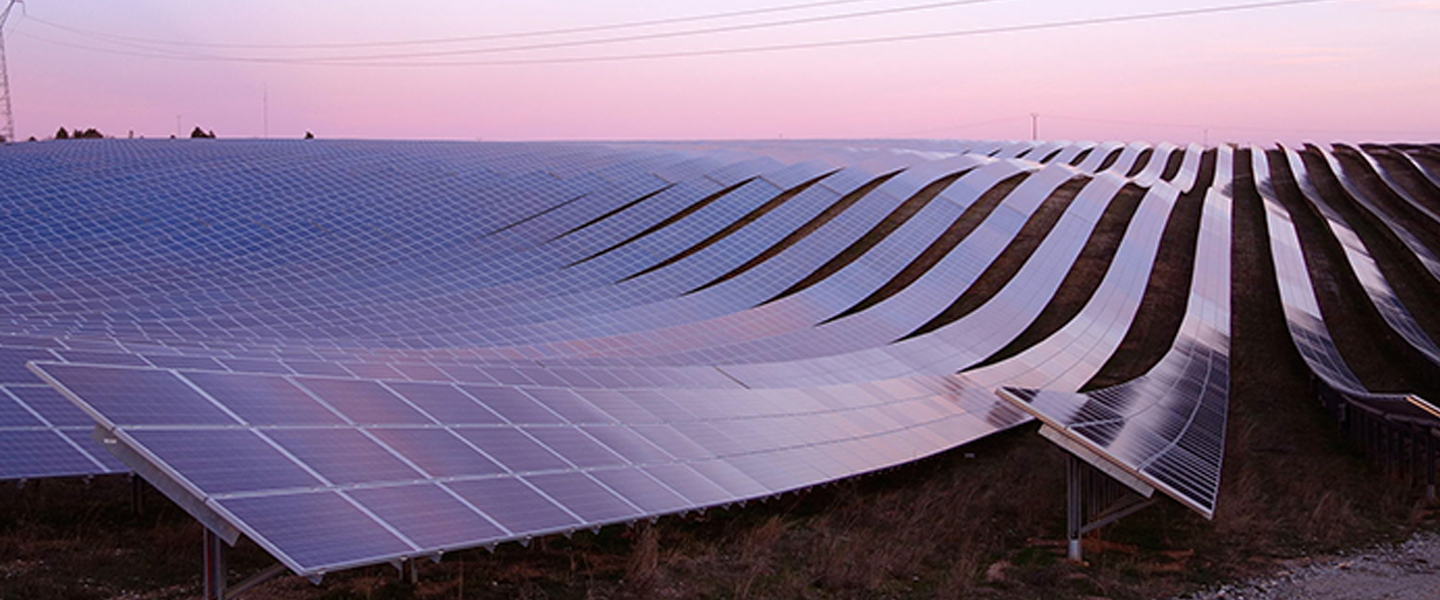
Having attracted an investment of nearly 70 million Euros, the Mees project, initiated in late May 2010 and completed in January 2011, involved and provided work for 350 people for nearly a year in the development of these solar power stations. Built on on a 36 ha plot, the site involves the installation of 79,000 Trina Solar TSM-230PC05 modules representing a power output of 18.2 MW (12 MW and 6.2 MW).
Park Villas Rooftop
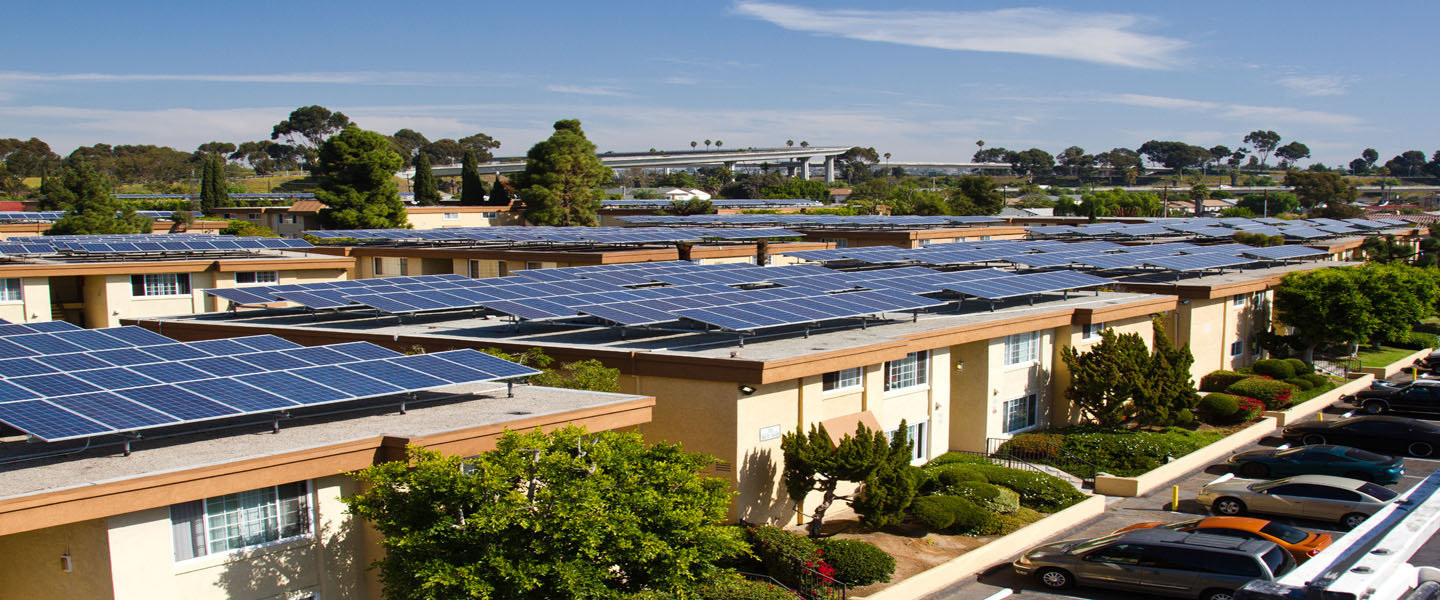
The project is the largest Multi-family Affordable Solar Housing (MASH) project in California and will generate 775,000kWh of electricity annually, enough to power 144 housing units and property common areas. In addition to supplying solar energy to the families living in Park Villa. The system will reduce green house gas emissions by approximately 5,000 tons of CO2 per year – the equivalent of planting 20,000 trees.