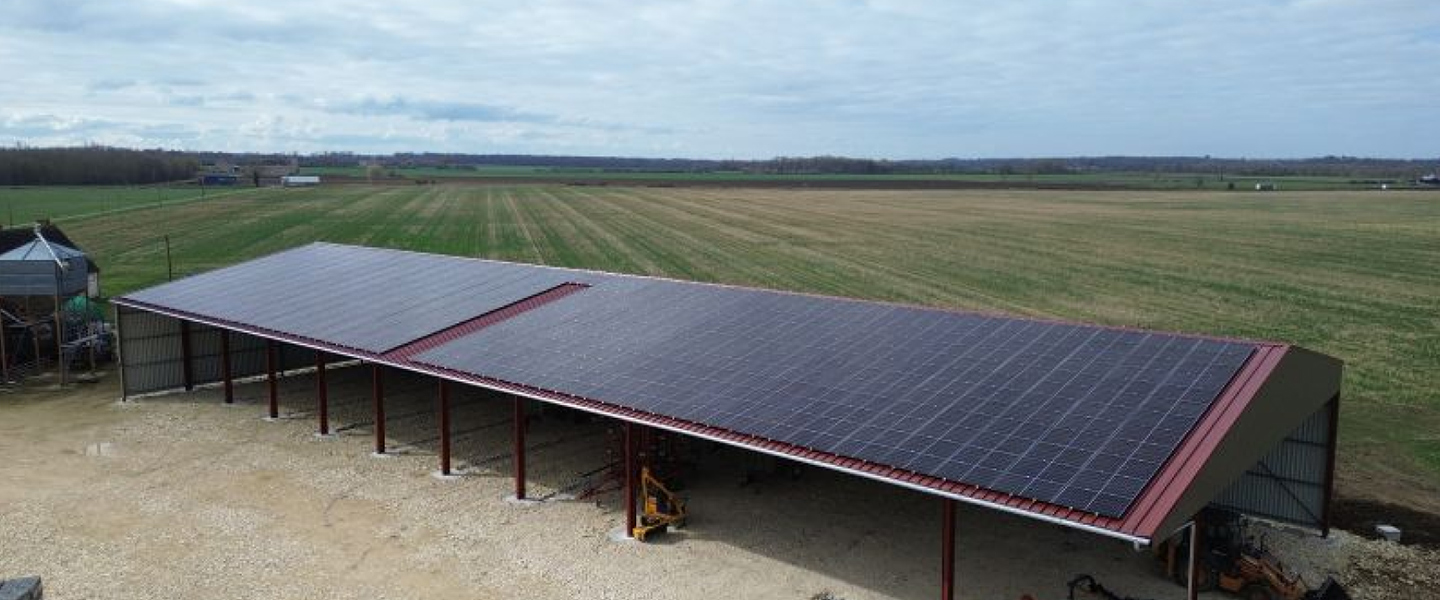
In the heart of rural France, a forward-thinking farmer in Blet is embracing solar energy to secure a more sustainable and profitable future for his business. A newly commissioned 300 kWp photovoltaic power plant, installed by Boubat Eco-Energie, now sits atop a farm building in this small village.
Category Archives: Global Case
UZ Hospital Car Park
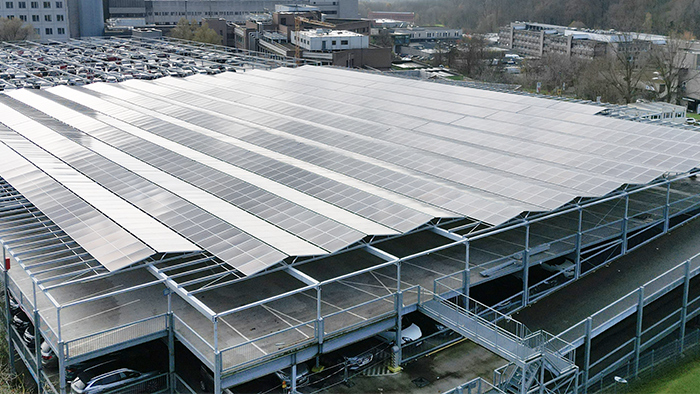
In a step towards a greener future, Trinasolar, extrapower.be and Menapy have successfully developed a high-efficiency solar PV installation at the UZ Hospital car park in Brussels. This cutting-edge project showcases the potential of solar energy in urban infrastructure, combining sustainability with innovative engineering.
Valcasado Solar Park
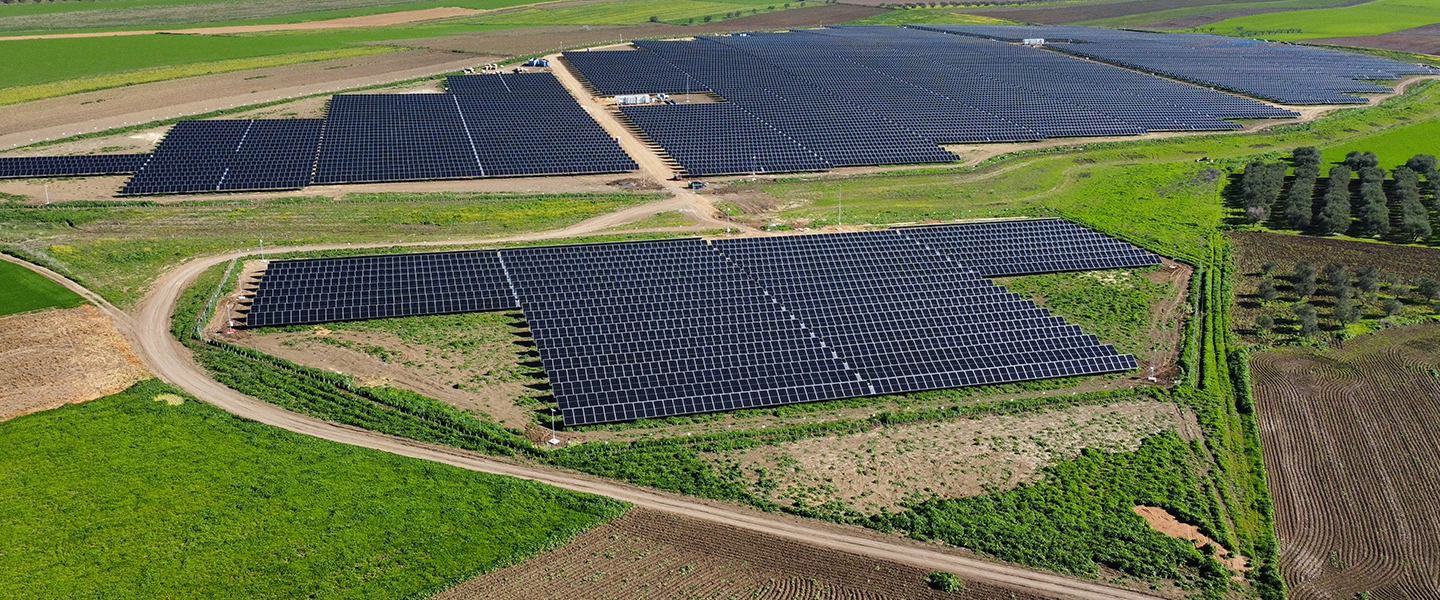
In the sun-drenched region of Huelva, Spain, the Valcasado Solar Park is harnessing the power of renewable energy with a 22 MW capacity. Made in collaboration with owner and developer Green Tie Capital and EPC contractor Elmya, this innovative project highlights the potential of solar power in arid climates, delivering clean energy to the municipality of San Juan del Puerto.
Subačius Solar Park
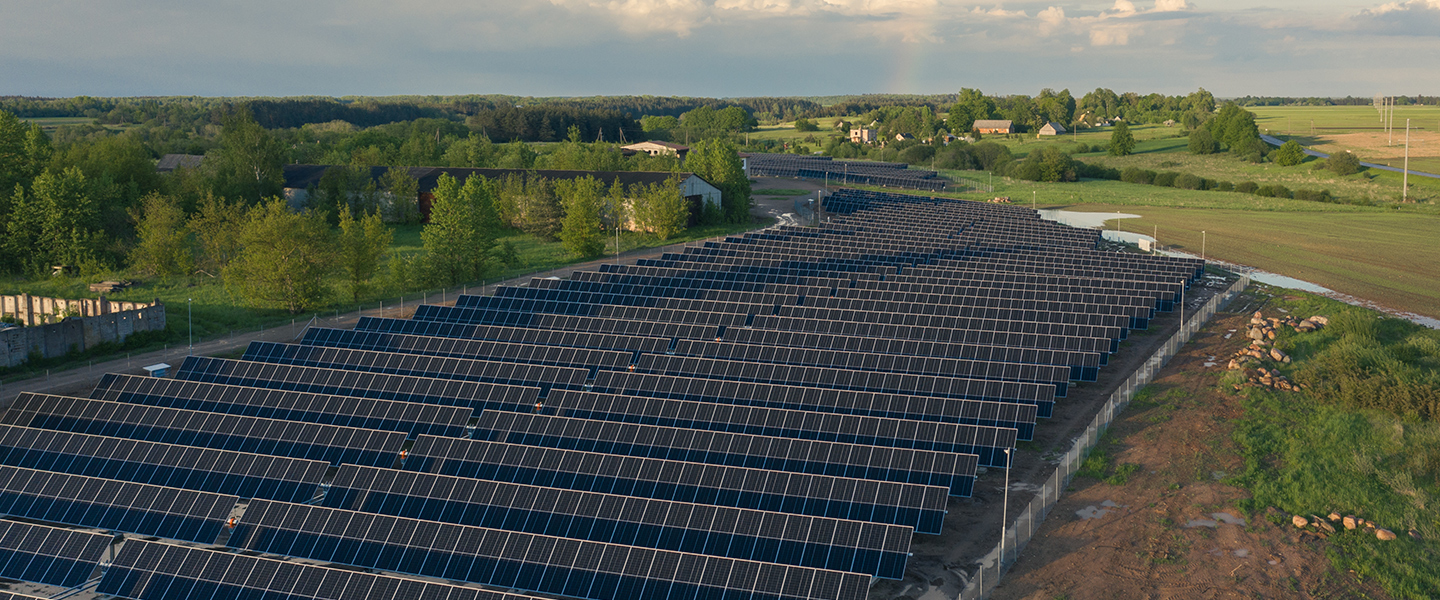
In Subačius, Lithuania, Trinasolar and Green Genius have collaborated to bring online the Subačius Solar Park, contributing significantly to the region’s clean energy goals. Equipped with 3,410 of Trinasolar’s high-efficiency Vertex N modules, this 1.78 MWp installation produces approximately 2,200 MWh of green energy each year, meeting the energy needs of the area while helping to cut CO₂ emissions by around 925 tons annually.
Stariņi Solar Park
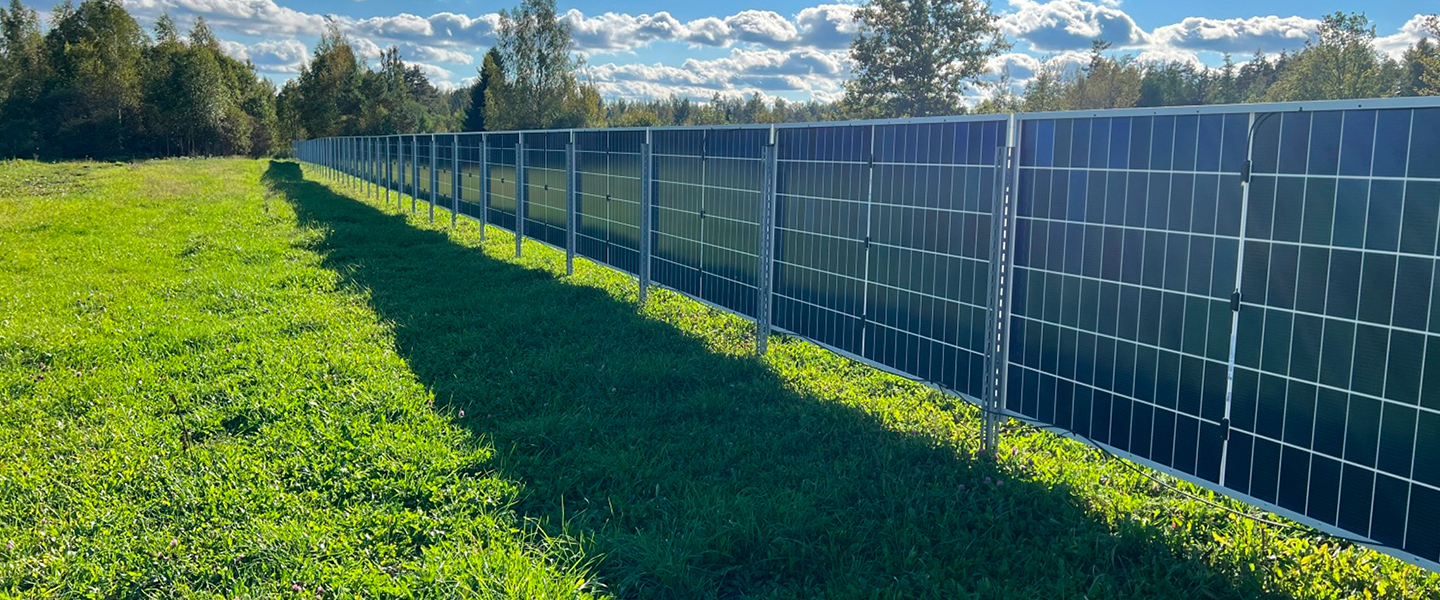
Trinasolar has partnered with SIA SolarXpro to bring the Stariņi Solar Park to life in the Balvi region of Latvia. This innovative project features a unique vertical solar panel installation that is poised to be one of the largest such parks in Europe. The park is powered by 5,940 Trinasolar Vertex N bifacial modules, each with a 685 W capacity, positioned in east-west facing rows to optimise energy capture from dawn to dusk.
Raba Solar Park
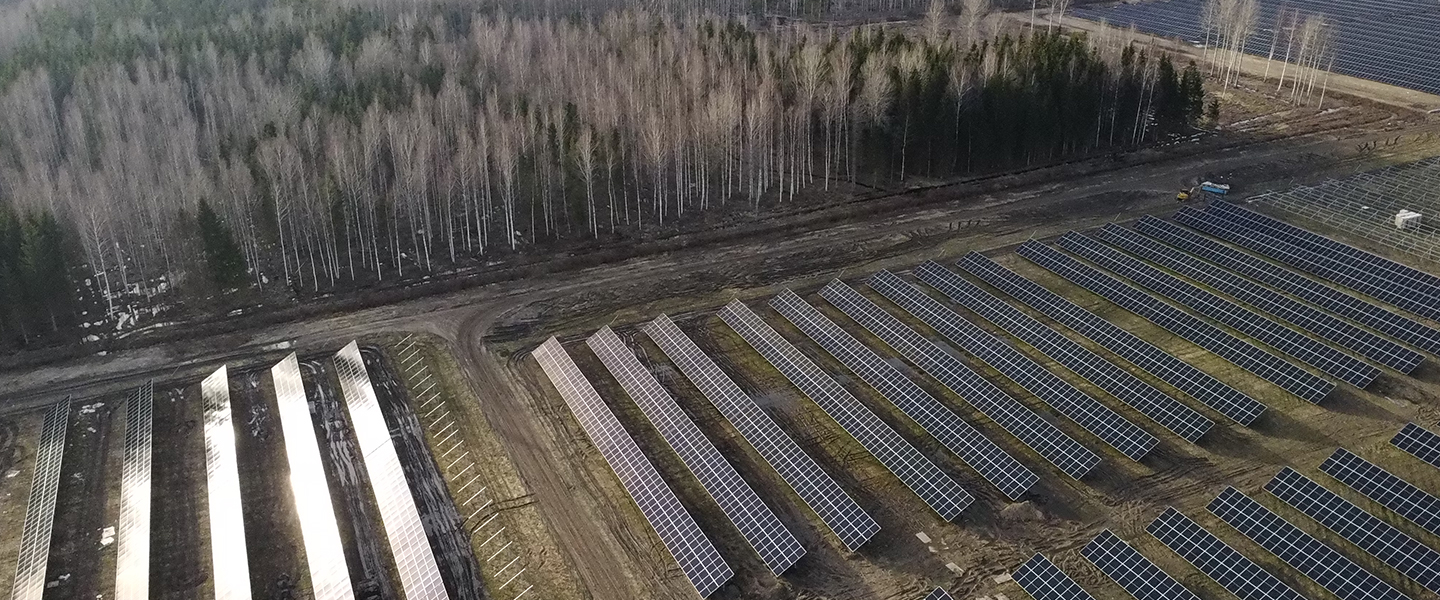
Raba Solar Park is a 45 MW utility-scale solar project in Estonia developed and delivered entirely by Trinasolar. Built using our high-performance Vertex dual-glass bifacial modules and the FixOrigin fixed-structure mounting system, the project reflects a fully integrated approach to solar deployment—offering seamless compatibility, faster installation, and long-term performance, even in harsh northern climates.
Przykona Solar Park
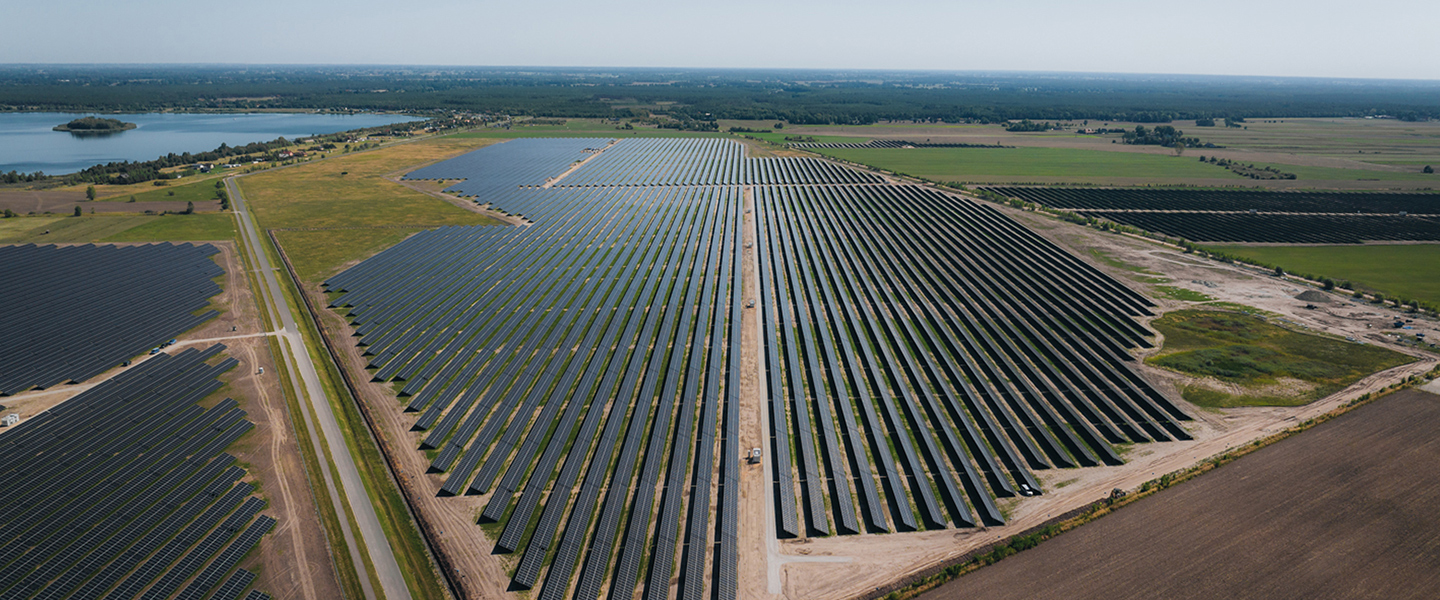
In the town of Przykona, Wielkopolska, a groundbreaking solar transformation has turned a former open-pit mine into one of Poland’s largest solar parks. The Przykona Solar Park, with a capacity of 200.28 MWp, is now a cornerstone of Poland’s renewable energy efforts, utilising 308,930 of Trinasolar’s Vertex dual-glass bifacial modules. Spanning 270 hectares, the park is set to generate 220,000 MWh annually, enough to power 100,000 homes, while reducing CO₂ emissions by around 183,700 tonnes each year.
Nocera Umbra PV Park
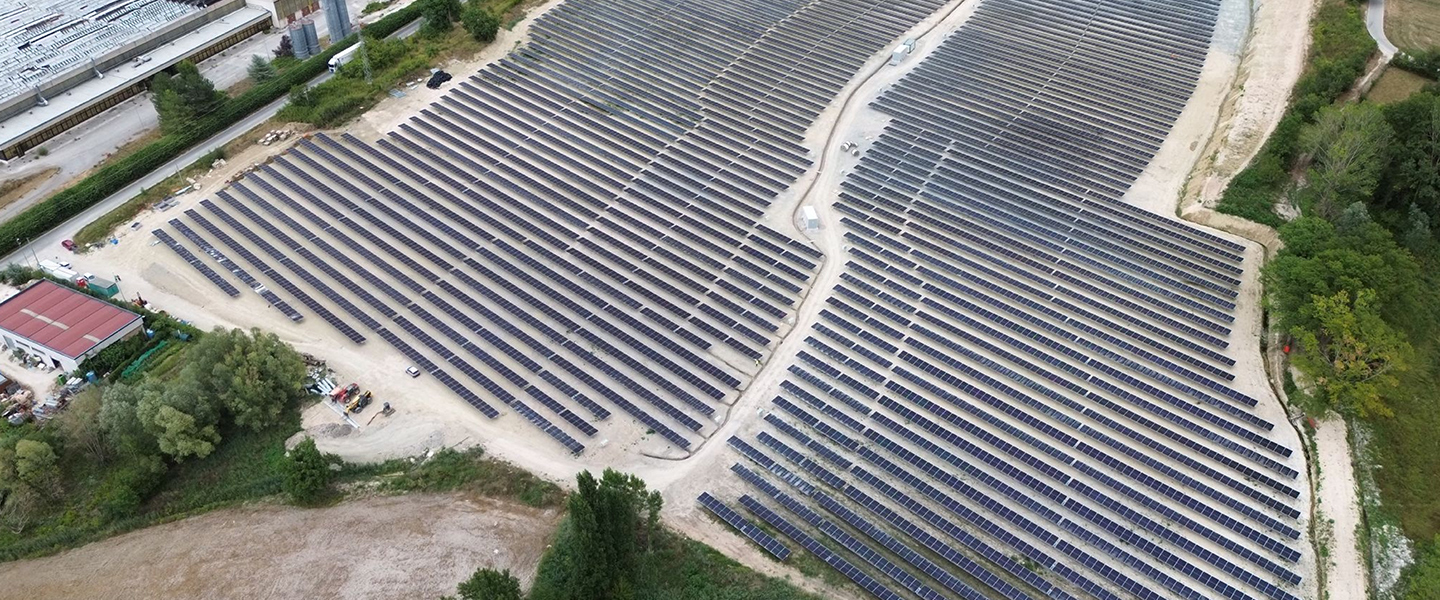
Nestled in the picturesque landscape of Perugia, Italy, the Nocera Umbra PV Park is a powerful step toward a cleaner, greener future. With an installed capacity of 7.4 MWp, this advanced solar installation is equipped with 11,280 of Trinasolar’s high-efficiency Vertex dual-glass bifacial modules, each with a capacity of 655 Wp.
London Road Solar Site
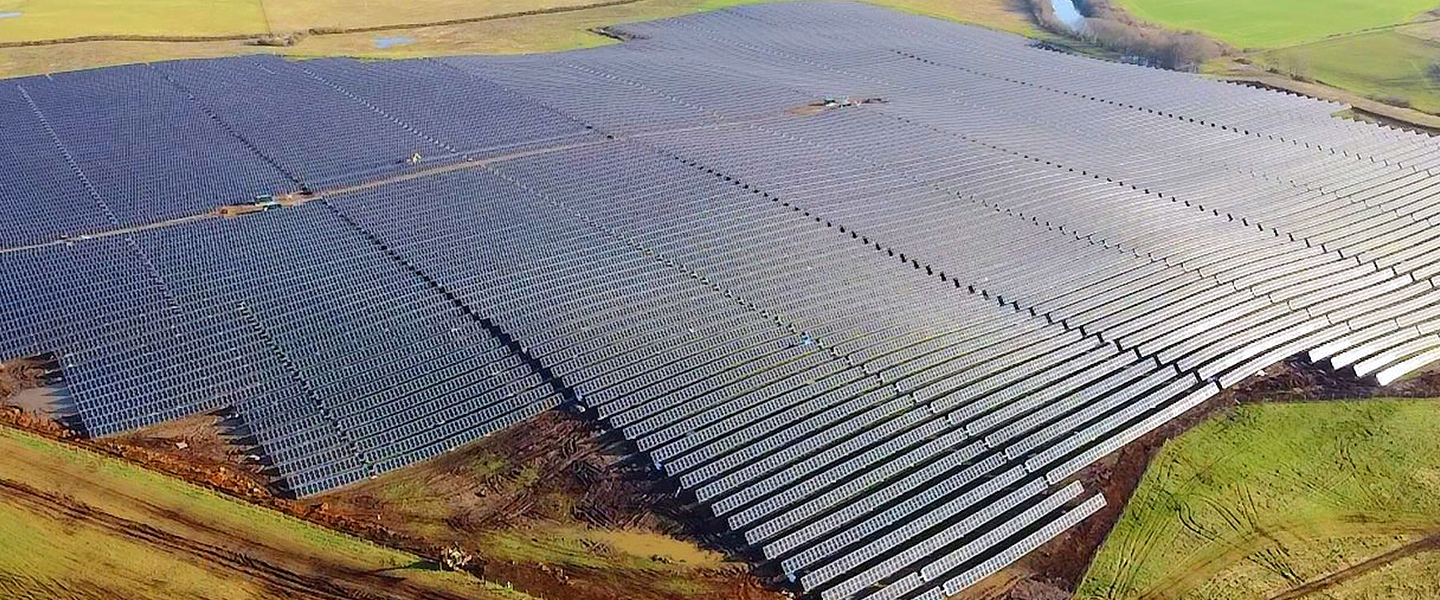
Located in the heart of Northamptonshire, the London Road Solar Site is a pivotal renewable energy initiative with a total capacity of 28.4 MWp, featuring 48,600 of Trinasolar’s Vertex N bifacial modules. This installation produces 33,300 MWh annually, reducing CO₂ emissions by around 6,900 tonnes each year and providing a sustainable energy solution for the UK.
Citizen Solar Park
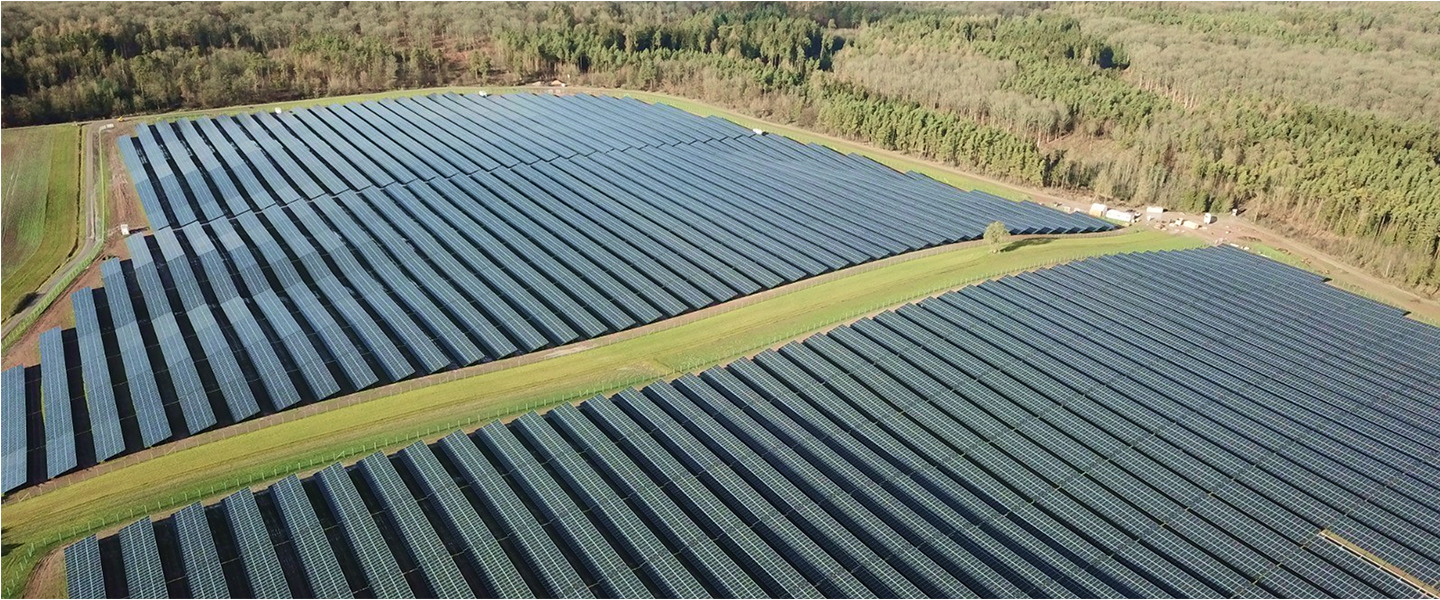
The Citizen Solar Park in Bundorf, Germany sets a new benchmark in sustainable energy, with its 125 MWp capacity making it the largest citizen-owned solar park in Bavaria and one of the largest in Germany. This impressive installation, developed by MaxSolar in collaboration with EGIS eG, is expected to generate over 131 million kilowatt hours annually—enough to power approximately 37,500 households. Additionally, it reduces CO₂ emissions by around 90,000 tonnes each year, contributing significantly to Germany’s clean energy goals.