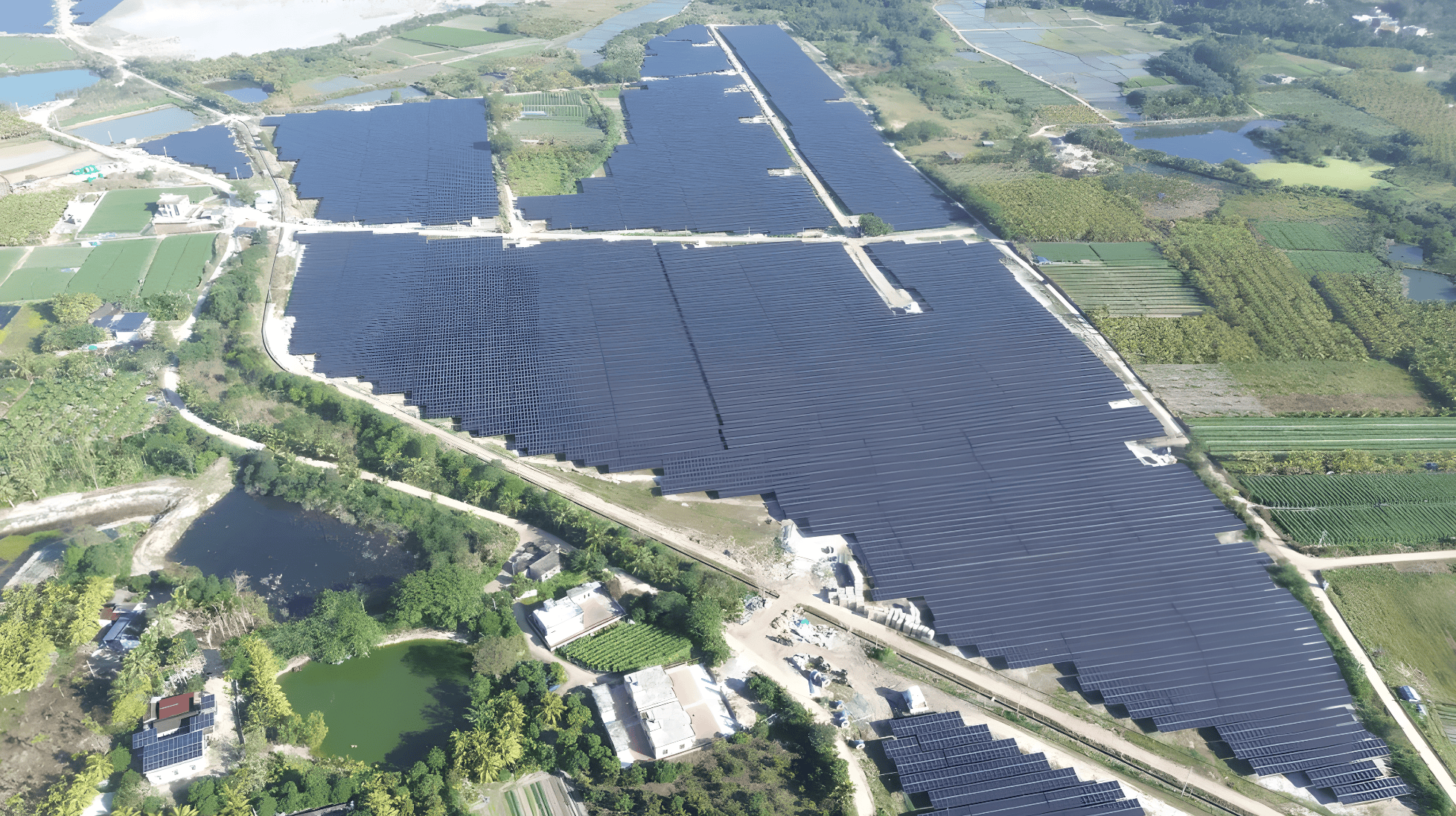
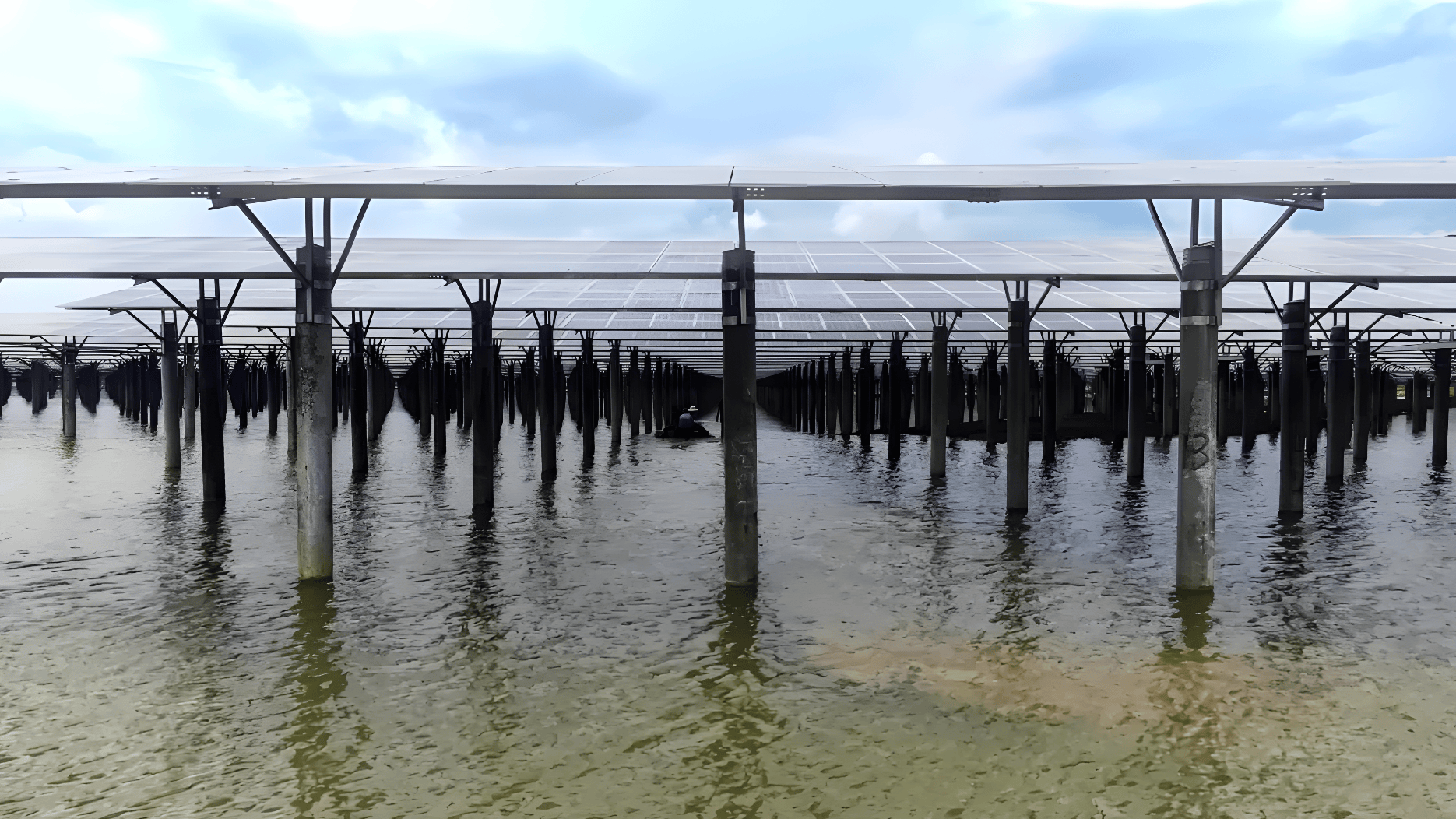
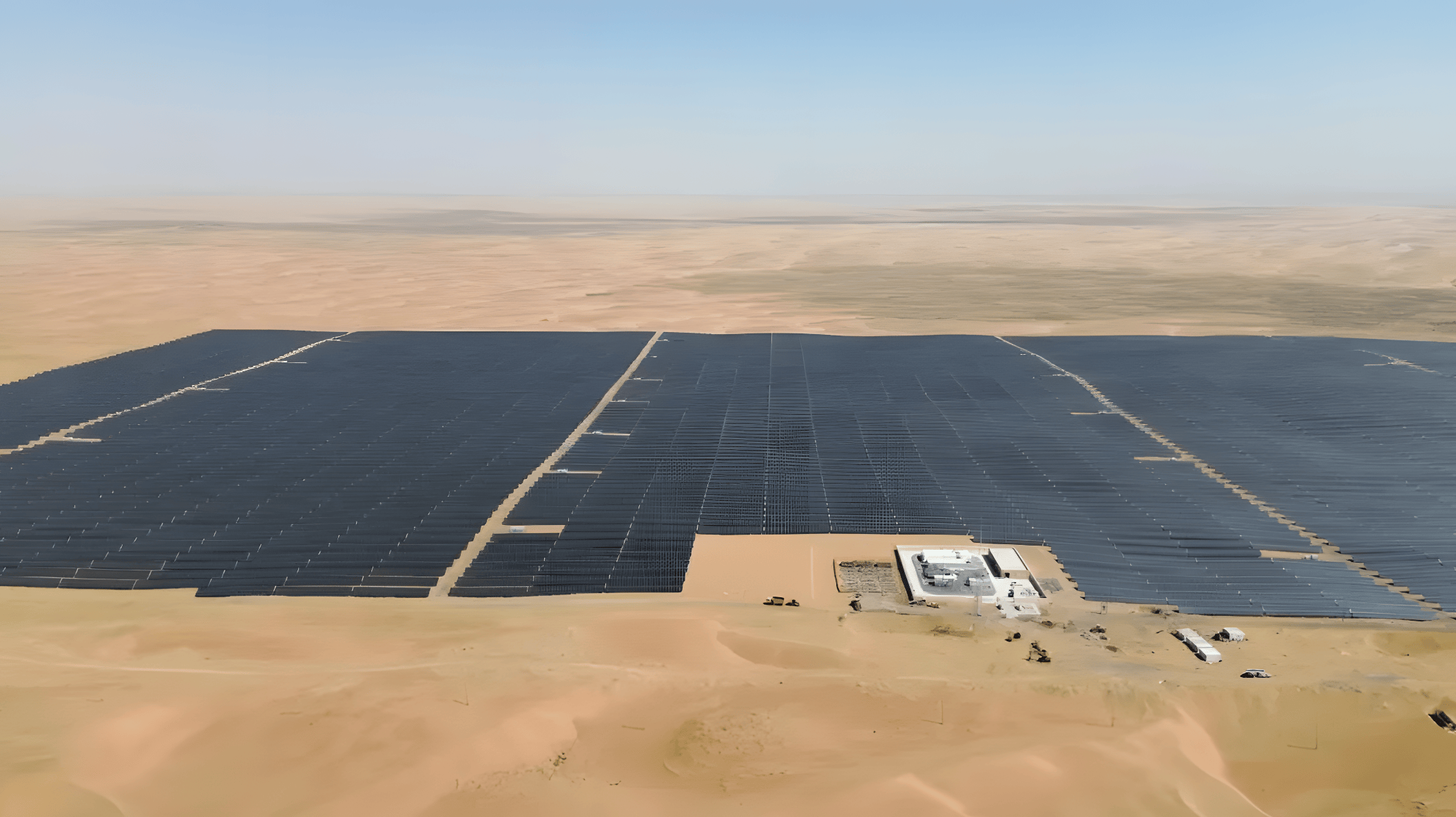
Trinasolar provides efficient clean energy products and services, and participate in ecosystem management and restoration by strategically utilizing photovoltaic products to:
  • act as windbreaks

  • stabilize sand

  • conserve water
Through innovative green technologies, we promote ecological restoration while supporting sustainable economic development.
PV + Agriculture: Empowering Agrivoltaics and Consolidating Green Development
Trinasolar's landmark agrivoltaics project in Fukuchiyama, Kyoto Prefecture, has added new impetus to Japan's green and low-carbon development. Using 3,392 ultra-high-power Vertex N 720W modules, the site generates 2,700 MWh of renewable electricity annually and cuts CO₂ emissions by about 1,760 tons.
The innovative “PV+” design, with elevated module mounting for farm machinery access, optimizes land use while supporting Japanese yam cultivation. As Japan targets carbon neutrality by 2050, this project showcases how solar can work in harmony with agriculture to deliver environmental, economic, and community benefits.
PV + Aquaculture: Leading Technology, Protecting Marine Ecology
Offshore areas are rich in solar energy resources. Their development and utilization represent an emerging application for the photovoltaic industry. In 2023, Phase 1 of the photovoltaic project in China's Haifeng Town, Guangdong Province, was successfully completed and connected to the grid.
The project adopts a “PV + Aquaculture” model—generating electricity above, aquaculture below—that maximizes the combined use of marine space and provides local fishermen with a path to shared prosperity alongside marine conservation.
Greening Deserts with Solar PV
Solar installations can utilize previously unusable land to generate power. Over time, they can restore habitats by:
  • reducing surface temperatures
  • improving microclimates
  • stabilizing soil and reducing wind erosion
In China, the State Power Investment Guizhou Jinyuan Alxa League Wulanbuhe Jinyuan 100MW Desert Control and Energy Storage Photovoltaic Project is a testament to the ecological restoration power of PV in deserts.
Wastewater Treatment
We maximize the use of recyclable industrial production wastewater, and treat non-recyclable wastewater to meet discharge standards.
Our efforts include:
  • regular monitoring of discharge based on strict internal pollution prevention and control management procedures implemented since 2008
  • annual updates of the list of water pollution sources
  • reducing water consumption and chemical usage through manufacturing and technological transformation
  • reducing industrial wastewater and pollutants by replacing high-impact chemicals that contribute to water pollution
Exhaust
Trinasolar's gas emissions mainly include greenhouse gases, particulate matter, nitrogen oxides, etc. generated by the combustion of natural gas.
We ensure that waste gas is effectively treated and meets emission standards by:
  • improving exhaust treatment processes
  • configuring complete waste gas treatment facilities
  • regularly engaging qualified third-party organizations to conduct on-site environmental testing and issue test reports
Waste Management
Waste management at Trinasolar follows internationally recognised standards to reduce landfill dependency and support a circular economy.
Adhering to the 3R principles to Reduce, Reuse and Recycle, we continuously improve our waste management mechanisms to meet our goal of achieving zero waste sent to landfills by 2030.
In 2021, we established a dedicated recycling subsidiary supporting six manufacturing sites in China: Changzhou, Yiwu, Suqian, Huaian, Yancheng and Dafeng. This entity is certified for:
  • ISO 9001 quality management system
  • ISO 14001 environmental management system
  • ISO 45001 occupational safety and health management system