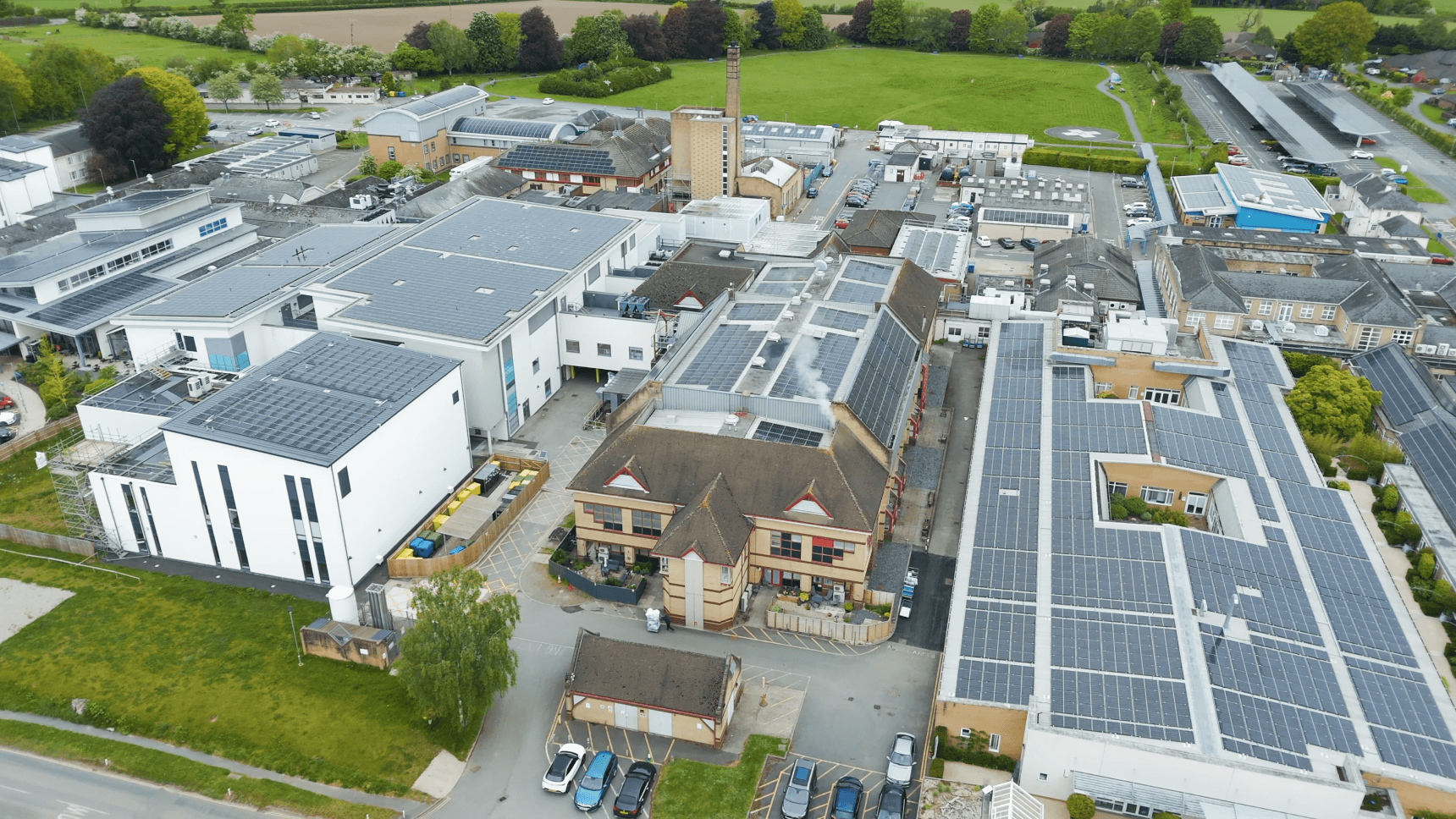
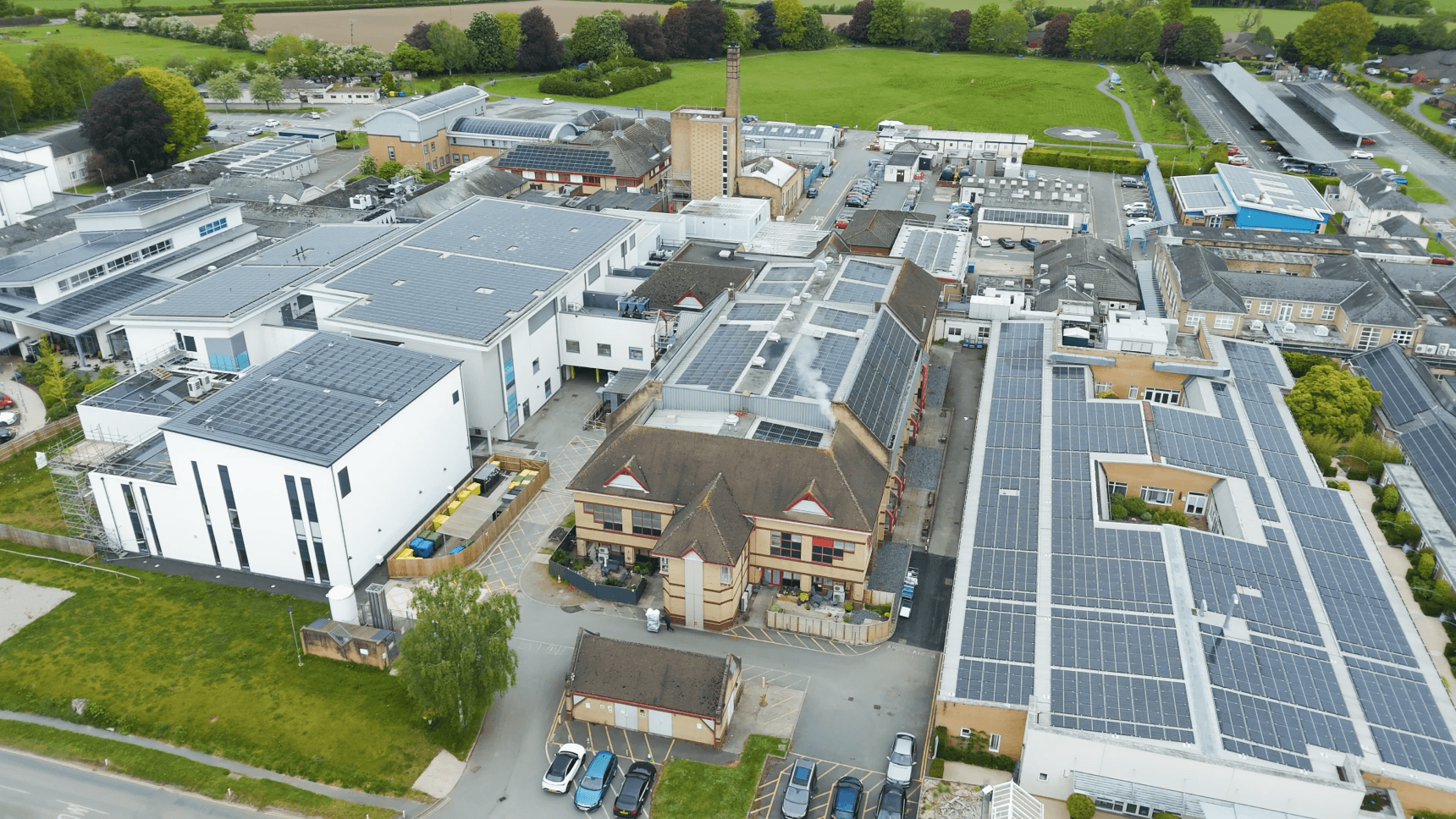
At Robert Jones and Agnes Hunt Orthopaedic Hospital in Oswestry, Shropshire, a landmark 3 MW solar installation delivered by ZLC Energy is demonstrating what large-scale renewable energy can look like on an NHS site. Built in stages over nearly six years, the project uses 100% Trinasolar modules across a combination of rooftop arrays and carport structures, with approximately 60% of capacity installed on roofs and 40% across the car parks. The result is one of the most significant solar installations on an NHS hospital site in the UK, generating an estimated £750,000 in annual savings and avoiding around 600 tonnes of CO₂ per year.
The phased delivery of the project tells its own story about product reliability. Over nearly six years, ZLC Energy installed Trinasolar modules in successive stages, all while navigating the considerable market price volatility and supply chain disruption that characterised that period. The fact that ZLC Energy chose to stay with Trinasolar throughout is a meaningful endorsement in itself. In a sector where underperforming or failing modules would quickly prompt a change of supplier, consistent monitored performance across each batch gave the installer the confidence to continue. That continuity of choice reflects the quality and dependability of Trinasolar's product over the long term.
Reliability was equally central to the decision from a site perspective. Installing on a fully operational NHS hospital demands the highest standards of product safety and performance. Any technology deployed on a site of this sensitivity needs to be proven, consistent, and backed by a supplier with the depth to deliver at scale. Trinasolar's established position in the UK market made it a natural fit for a project where there was no margin for compromise. CCL Components Ltd, as a supply partner to Trinasolar, played an important supporting role here, working flexibly to accommodate the practical constraints of delivering to an active hospital site, including restricted access, tight delivery schedules, and the health and safety requirements of a live clinical environment.
The installation itself presented a range of technical challenges. Maximising capacity meant fitting modules into every viable space, including complex, irregularly shaped car park structures alongside the rooftop arrays. A sophisticated energy management system was deployed to integrate the solar generation into what is both a rural and technically complex grid connection, and a 650 kWh battery storage system was incorporated to improve on-site flexibility and resilience. Together, these elements form a highly integrated energy solution tailored to the specific demands of the site.
For the NHS, projects like this are not simply energy investments. The health service has committed to net zero by 2040, with an interim target of an 80% reduction in direct emissions by 2032. Installations of this scale, delivered on operational hospital sites, lay the practical groundwork for reaching those goals. Robert Jones and Agnes Hunt Orthopaedic Hospital now stands as a compelling example of what is achievable when public sector ambition is matched with proven technology, flexible supply chain partners, and an installer willing to take on the complexity that large NHS sites demand.
All images credited to © ZLC Energy.